Incident Overview
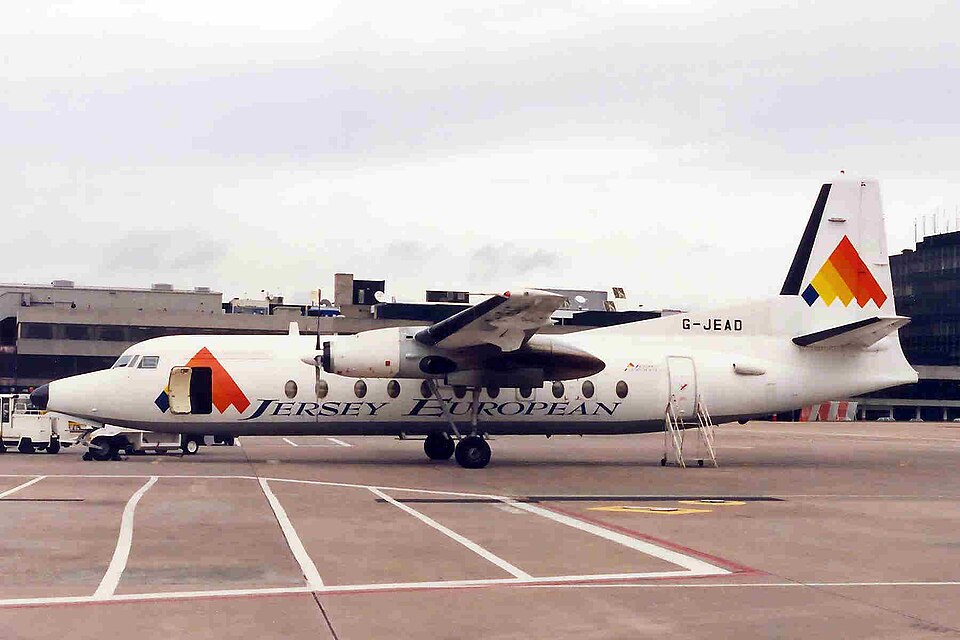
On 28 January 1999 at 0054 hrs UTC, a Fokker F27 Mark 500, registration G-JEAD, operated as a public transport flight, experienced a taxiway excursion at Liverpool Airport. The aircraft was equipped with two Rolls Royce Dart 532-7 turboprop engines and was manufactured in 1981. The crew of two (commander and first officer) reported no injuries, and the aircraft sustained no damage.
Background
The crew reported for duty at Exeter at 1830 hrs on 27 January and had flown two sectors before landing at Liverpool, from where they were scheduled to carry freight to Edinburgh. At the time, significant work was in progress at Liverpool associated with upgrading the manoeuvring area. The weather was poor, with visibility of 6,000 metres in rain and an 800-foot cloudbase.
Taxi and Incident
Shortly after midnight, the crew obtained taxi clearance to Runway 27 with instructions to follow a 'Follow Me' vehicle. The pilot attempted to follow the vehicle but considered that it was travelling too fast for the conditions, and the distance between the vehicle and the aircraft increased to about 50 metres. Approaching the runway, the vehicle stopped momentarily before moving off to the east. The pilot continued to taxi, ensuring that he followed the wheel tracks of the vehicle precisely, but after a short distance, the left main landing gear bogged down in some very soft ground. The pilot informed ATC and shut the aircraft down before vacating. The 'Follow Me' vehicle did not return to the aircraft to offer assistance.
Contributing Factors (as per pilot's statement)
At the point where the aircraft left the paved surface, there were no lights or edge markings to indicate the limit of the manoeuvring area. The area of soft ground had been covered with a thin layer of asphalt to prevent debris from contaminating the taxiway. Photographic evidence indicated that the 'Follow Me' vehicle had crossed the area of asphalt, which had supported its weight.
Commander's Stated Cause
The commander considered that the cause of the incident was his inability to distinguish the taxiway surface from the asphalted area in the prevailing light conditions and the fact that the 'Follow Me' vehicle had taken an inappropriate route.