Summary
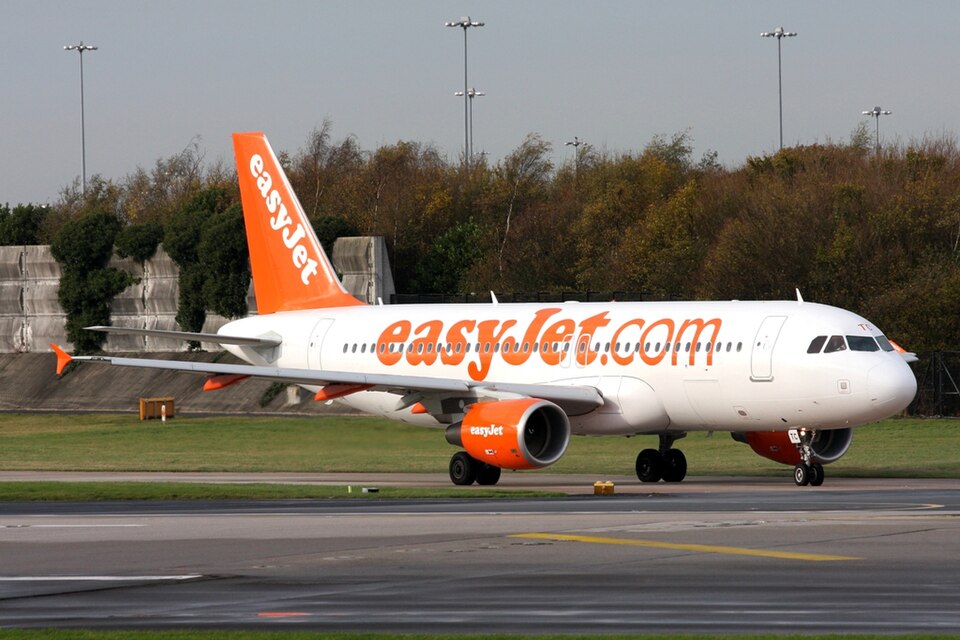
On 12 August 2013, at 16:16 UTC, an Airbus A320-214, registration G-EZTC, operated by easyJet, was departing from Milano Malpensa Airport (LIMC) on runway 35R for a flight to Lisbon. During the takeoff roll, parts of the left engine (engine number 1) fan cowl door detached.
Event Details
Shortly after takeoff, the flight crew of G-EZTC was alerted by radio from Malpensa Tower by a pilot on the ground who reported that the cowling of engine number 1 was open. Simultaneously, cabin crew informed the flight crew that they had heard an unusual noise during takeoff and had been alerted by passengers who observed the detachment of the left engine cowl.
Aftermath
The commander declared an intention to return to Malpensa with priority for landing, under overweight landing conditions. The aircraft landed on runway 35L. During the landing roll, additional parts of the same fan cowl detached. The aircraft taxied back to the parking stand, and passengers disembarked via normal procedures.
Investigation
The Italian national safety investigation authority (ANSV) was notified the same day and conducted an on-site inspection on 13 August 2013. The UK AAIB and French BEA appointed representatives to participate in the investigation, in accordance with international and EU regulations. The investigation focused on the technical, organizational, and human factors surrounding the cowl detachment.