History of the Flight
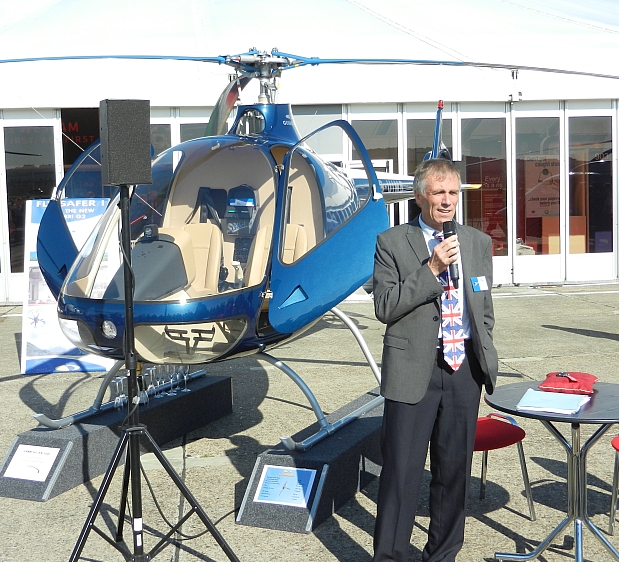
The helicopter, a Guimbal Cabri G2 registered G-UIMB, was conducting a private flight. After a short flight north of the airfield, the pilot joined a left-hand circuit for Runway 26 at Cotswold Airport (Kemble), Gloucestershire, with the wind from 200° at 17 kt. Turning finals to the south of the runway, the pilot turned the helicopter into wind as he passed the airfield boundary. During the final stages, while levelling off at about 5 feet, the helicopter began to yaw gently to the left. The pilot applied right yaw pedal, but as the helicopter reached approximately 45-60° to the wind direction, the yaw rate increased dramatically. The pilot pulled the collective to clear the ground, which increased the yaw rate, and the helicopter turned through about three to six complete revolutions. During this time, the pilot checked he was applying the correct pedal input. The engine then stopped. Still yawing left, the pilot attempted to cushion the landing, but the helicopter landed heavily.
Damage and Injuries
The right skid collapsed completely, and the front left skid bow also broke. The tailboom partially fractured just forward of the horizontal stabiliser. The pilot and passenger were uninjured and evacuated the helicopter normally.
Aircraft Information
The Guimbal Cabri G2 is a two-seat helicopter manufactured in France. It features a 7-bladed fenestron in place of a conventional tail rotor, and the 3-bladed main rotor rotates clockwise when viewed from above. The helicopter was awarded an EASA Type Certificate in December 2007. G-UIMB was the first of the type registered in the UK, delivered in September 2011. The engine is a Lycoming O-360-J2A piston engine. The pilot held a Commercial Pilot's Licence with 1,850 hours total flying experience, including 6 hours on type.
Pilot and Manufacturer Statements
The pilot stated his belief that "slow application of right yaw pedal" caused the accident. The manufacturer believes that prolonged yawing can cause the engine to stop due to fuel sloshing. No pre-impact mechanical anomalies were found after inspection.