Incident Overview
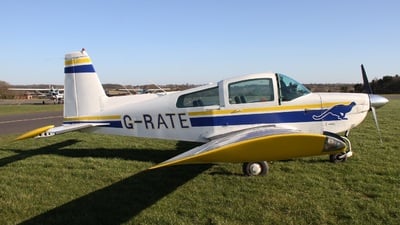
On 13 May 2010 at 1617 UTC, a Gulfstream AA-5A Cheetah, registration G-RATE, was involved in an accident during takeoff at Leicester Airfield, Leicestershire. The aircraft, manufactured in 1978, was powered by a single Lycoming O-320-E2G piston engine. The flight was private, with the pilot and three passengers on board. No injuries were reported. Damage was limited to scratched wings, the tailplane, and one runway light.
Pilot Information
The commander, aged 20, held a Private Pilot’s Licence and had accumulated 59 total flying hours, including 8 hours on the accident aircraft type. His recent flying experience comprised 2 hours in the last 90 days and 2 hours in the last 28 days. The accident flight was his first as pilot in command in this aircraft.
Sequence of Events
As part of pre-takeoff checks, the pilot set the pitch trim to a position he considered appropriate for the aircraft's loading. During the takeoff roll, the aircraft became airborne several knots below the published rotate speed. Shortly after becoming airborne, the pilot felt the right wing drop. He reduced engine power to idle and landed back on the runway. During the landing, both wing tips and the tailplane contacted the ground. The pilot then applied brakes and brought the aircraft to a full stop in the grass field at the end of the paved runway.
Pilot's Assessment
The pilot believed he had selected too much nose-up trim for takeoff, causing the aircraft to become airborne prematurely. He considered that the aircraft stalled and landed heavily as a result. The information for this report was provided by the pilot via an Aircraft Accident Report Form.