Incident Overview
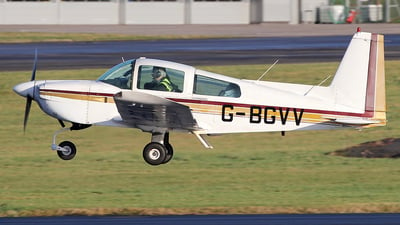
On 18 August 1999 at 1305 UTC, a Gulfstream AA-5A (registration G-BGVV) experienced a nosewheel collapse during landing at Prestwick Airport. The aircraft, manufactured in 1978, was powered by a single Lycoming O-320-E2G piston engine. The flight was conducted as a private training flight, with two crew members and one passenger on board. No injuries were reported among the occupants.
Flight Details
The pilot, a 60-year-old flying instructor holding an Airline Transport Pilot's Licence with an Instrument Rating, was conducting a trial lesson. He had accumulated 3,352 total flying hours, including 35 hours on the accident aircraft type. In the preceding 90 days, he had flown 13 hours, with 8 hours in the last 28 days.
Landing Sequence
The approach was made to Runway 13 in good weather conditions, with a surface wind of 050 degrees at 14 knots. During the landing, the pilot flared high, causing the aircraft to bounce. After the bounce, the aircraft touched down again on the runway, at which point the nosewheel collapsed. The resultant damage was confined to the nosewheel and propeller.
Pilot's Assessment
The pilot assessed the cause of the accident as his failure to apply power quickly and execute a go-around after the bounce.