Incident Overview
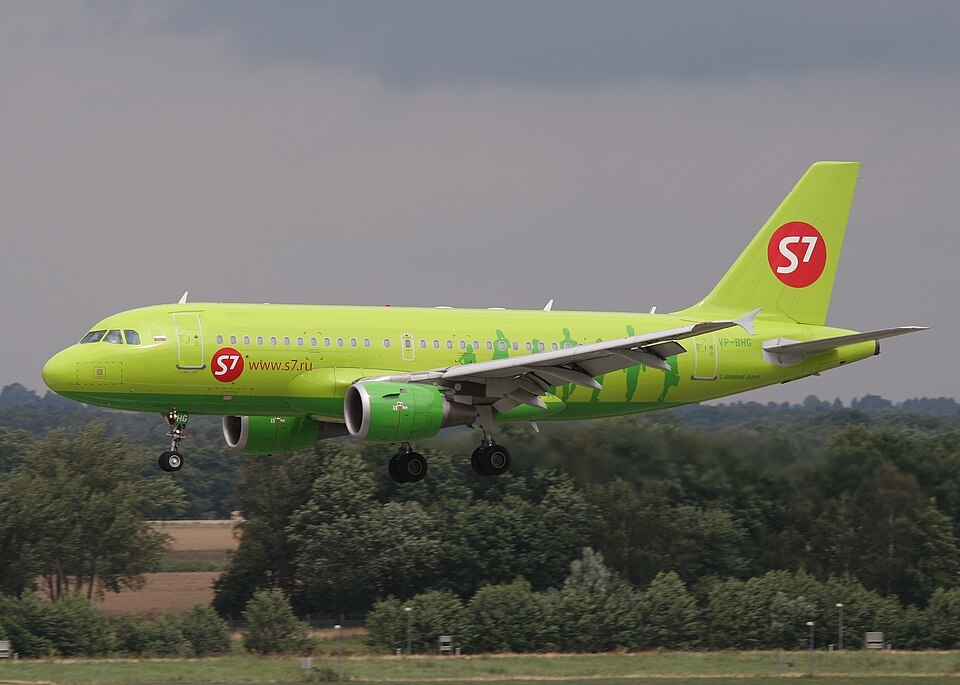
On 12 November 1998 at 2355 UTC, a Gulfstream G-IV (registration VP-BHG) landed on a closed portion of Runway 23/05 at London Stansted Airport. The aircraft was on a private flight from Pontoise Airport, France, the third sector of the evening. On board were three crew members and one passenger. No injuries were reported, and no damage occurred.
Sequence of Events
The aircraft departed Stansted at 1720 hrs, landed at Paris Le Bourget, then continued to Pontoise. It departed Pontoise at 2307 hrs and landed back at Stansted at 2356 hrs. On the inbound sector, the crew listened to ATIS 'Y', which stated: "RUNWAY IN USE 23, SURFACE WIND 250°/11 KT, VISIBILITY MORE THAN 10 KM, CLOUD SCATTERED AT 2,400 FEET, TEMPERATURE 7°C, QNH 1006. BE ADVISED DUE WORK IN PROGRESS DECLARED REDUCED DISTANCES ONLY ARE AVAILABLE UNTIL TIME 0630 HRS. PILOTS PLEASE NOTE THE GREEN THRESHOLD BAR IS NOT, REPEAT NOT, THE TOUCHDOWN POINT. APPROACH TO TOUCHDOWN MUST BE MADE USING A 3.5° APPROACH ANGLE TO THE TEMPORARY ALPHA PAPIS."
The crew discussed the phrase regarding the green threshold bar and concluded it meant to avoid landing at the green lighted end of the runway. The commander flew a visual approach to Runway 23, aiming to touchdown alongside the red "wing bars" located on each side of the runway. As he passed the wing bars, he saw runway end cones, overflew them, and landed. The aircraft braked normally and stopped 100 metres before the threshold of Runway 05.
The VCR controller observed the aircraft moving along the runway at excessive speed and called for the aircraft to "stop" and then "hold position." The crew heard these commands but thought they could not apply because they were still airborne. The aircraft touched down and completed the landing entirely within the works area. No vehicles or personnel were on the paved surface at the time. The crew remained unaware they were on the closed part of the runway until advised by ATC several minutes later.
Airport Maintenance Information
Runway 23/05 at Stansted was undergoing routine maintenance from 1 November to 22 November 1998. The program involved closing half of the runway between 2230 and 0630 hours and using reduced distances. Two phases were conducted: phase one closed the north-eastern half, completed on 11 November at 0630 hrs; phase two closed the south-western half, commencing at 2230 hrs on 11 November. Information was distributed via Airside Safety Notice, NOTAMS, and ATIS broadcasts.
On the incident night, phase two was active, providing a landing distance of 1,500 metres on the first part of Runway 23. Lighting included approach lights, threshold greens, runway side lights, runway end marked by red wing bars, and temporary APAPI units set at 3.5°. The limits of the works area were marked by cones with red obstruction lights across the runway. Runway side lights on the unavailable part remained on but were covered. On the two nights after, pilots reported they could not see any lights on the closed section.
Aircraft and Crew Details
The commander held an Airline Transport Pilot's Licence, was 46 years old, and had 8,000 total flying hours (3,000 on type). His last 90 days included 60 hours; last 28 days, 30 hours. The aircraft had two Rolls-Royce Tay Mk 611-8 turbofan engines and was manufactured in 1987. The required landing distance for the aircraft was 915 metres under prevailing conditions; available distance was 1,500 metres.
The crew stated they saw white edge lights along the whole runway length—the first half very bright, the second less bright. They did not see the illuminated cones across the runway until passing over them. Radar recordings showed the actual approach path was 3° for the final 6 nautical miles.
Discussion
The three crew members developed a mental picture of the operating environment, reinforced by several factors: they had landed on the first part of Runway 05 two nights earlier during phase one; the ATIS instruction not to land on the green lights was interpreted as not to land at that end; they saw less bright runway edge lights and considered them operational; they identified the red wing bars as PAPIs; and the commander saw the runway ahead was clear.
The commander stated that the red wing bars were the most dominant lighting feature. The approach path flown to them suggests the crew did not follow the nominated 3.5° approach. If they had corrected, they might have noticed no white lights associated with the wing bars. If the wing bars had consisted of more than four lights on each side, misidentification would have been very unlikely. Runway edge lights on the non-operational segment were covered, but some light may have escaped under clear conditions.
After the incident, the ATIS message was revised to: "CAUTION, DUE TO WORK IN PROGRESS REDUCED LANDING DISTANCES ARE IN OPERATION. ONLY THE FIRST 1,500 METRES OF RUNWAY 23 IS AVAILABLE. PILOTS MUST FLY THE 3.5° APAPI APPROACH."