Accident Sequence
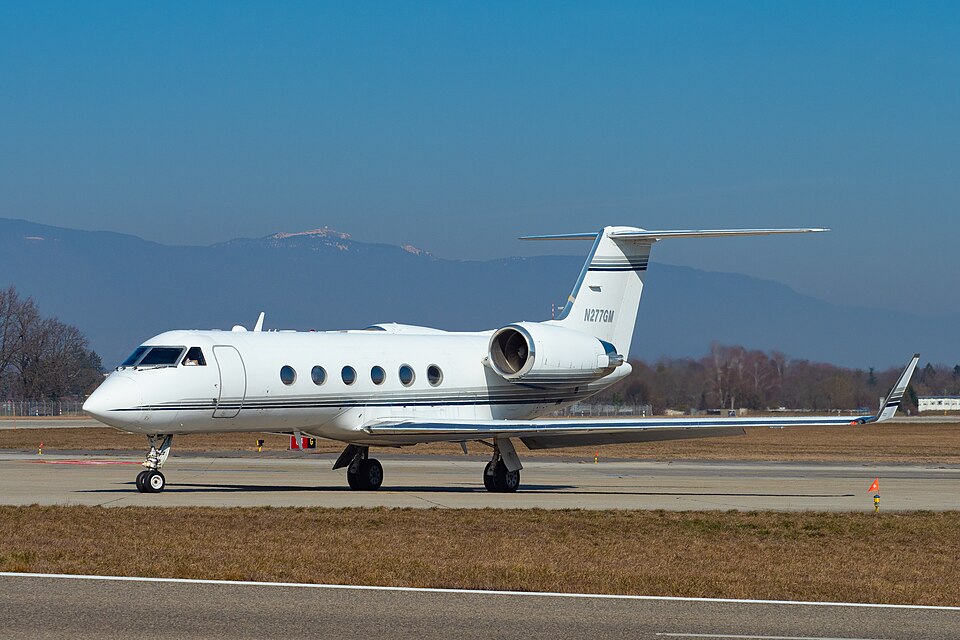
On the day of the incident, the flight crew—consisting of the pilot-in-command (PIC), second-in-command (SIC), and a non-type-rated observer pilot—began the takeoff roll. At approximately 100 knots, a violent shimmy developed in the nose landing gear (NLG). The PIC aborted the takeoff, and during the abort procedure, the NLG separated from the aircraft. The airplane veered off the runway, and the right wing and right main landing gear struck approach lights, resulting in substantial damage to the fuselage and right wing. All passengers and crew evacuated without incident through the main cabin door.
Ground Crew Actions
Postaccident interviews revealed that following towing operations before the flight crew's arrival, ground personnel had difficulty operating the NLG's removable pip pin. The plunger button and locking balls would not release normally. After brief troubleshooting, the plunger remained stuck fully inward and the locking balls retracted. Despite this, the ground crew reinstalled the pip pin through the steering collar with the upper torque link arm connected, but because the locking balls were retracted, the pin was not secured in place. Additionally, the pin's design prevented insertion of the safety pin when the locking balls and plunger were not released. The ground crew left the safety pin hanging from its lanyard on the right side of the NLG. They informed their ramp supervisor of the anomaly, who in turn told the first arriving crewmember (the observer pilot) that the nose pin needed checking. However, all three pilots reported that no ground crew member informed them of any NLG issues.
Postaccident Investigation
Examination of the runway found the pip pin as the first piece of debris, followed by tire swivel marks near the centerline, then large scrape and tire marks leading to the separated NLG. The safety pin remained attached to the NLG via its lanyard and was undamaged. Postaccident testing of the NLG and its pins showed no evidence of preimpact mechanical malfunctions or failures. The sticking of the pip pin plunger reported by the ground crew could not be duplicated. When installed, the locking ball mechanism worked as intended, and the pip pin could not be removed by hand. The preflight checklist required a visual check that the torque link was connected by the pip pin and that the safety pin was installed. It is likely that none of the pilots noticed the missing safety pin during preflight. During the takeoff roll, without the locking balls extended, the pip pin likely moved outward and fell from its position holding the upper torque link arm, allowing the arm to move freely, causing the violent shimmy and NLG separation. Contributing to the PIC and SIC's omission during preflight was the ground crew's failure to directly inform them of the pip pin problem, and the ground crew's failure to discard the malfunctioning pip pin as per procedures. The observer pilot, though informed of an issue, was not qualified as a required flight crewmember and was on his cell phone when informed.