Incident Description
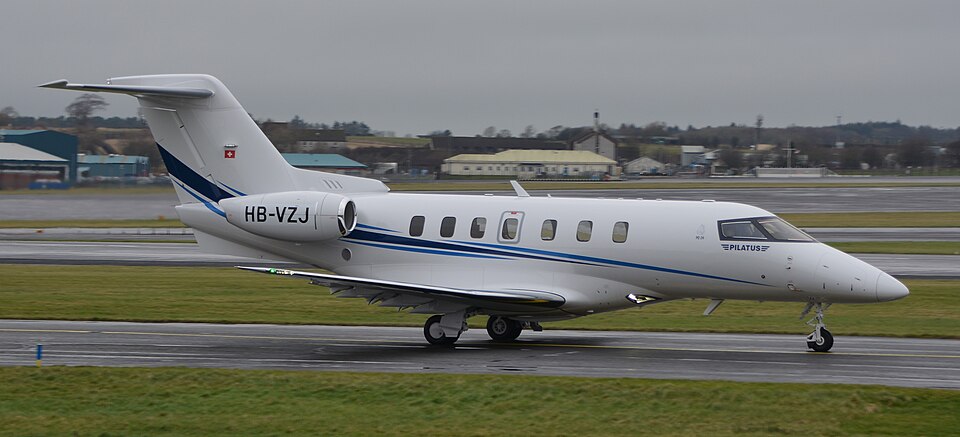
During landing, the flight crew reported that the airplane touched down within the touchdown zone. The pilot applied brakes and deployed thrust reversers, but stated that the brakes “were not grabbing.” After releasing and reapplying brake pressure with no effect, the pilot advised the co-pilot of the brake issue. The co-pilot also applied his brakes without effect. The pilot then selected the emergency brake handle, which produced some slowing. Using the nose wheel tiller, the pilot attempted a left turn onto a 45° taxiway, which he thought would provide additional stopping distance. However, the airplane slid off the taxiway into adjacent grass. The right main landing gear collapsed, and the airplane came to rest upright, resulting in substantial damage to the right wing spar.
Investigation Findings
Examination and testing of the airplane systems did not reveal any evidence of preimpact mechanical malfunctions with the wheel brakes or any other systems. Video evidence and recorded airplane data showed that the thrust reversers were not deployed during the landing sequence. The cockpit voice recorder was overwritten during postaccident maintenance actions, and the accident flight communications were not available. Landing simulations based on available data were consistent with reduced deceleration during the landing roll; however, the simulations could not determine if the airbrakes were stowed or extended during the landing, and the airplane was not equipped with a flight data recorder that could have captured airbrake deployment and position. Landing performance calculations showed that, without ground airbrakes, the landing ground roll distance exceeded the available runway length from the touchdown point. Tire skid marks indicated that heavy wheel braking occurred on the runway and taxiway surfaces.
Analysis
Based on the available information, the reason for the flight crew’s reported loss of braking effectiveness during landing could not be determined.
Probable Cause
A loss of braking effectiveness during landing for reasons that could not be determined, which resulted in a runway excursion.