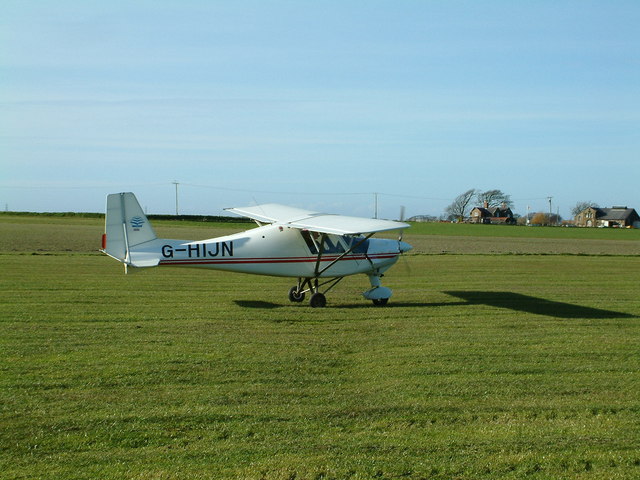
History of the Flight
The student pilot, who held a student licence with 62 hours total flying experience (35 on type), flew some dual circuits at Ince Airfield before receiving a briefing from his instructor to conduct a solo navigation exercise to Llandudno and back. On the return leg, the instructor had suggested he land on Hoylake beach; the student and instructor had previously landed on another beach together.
The weather was benign with good visibility, a high cloud base, and a light easterly wind. The student flew over the beach to check that it was clear before making a normal approach into wind. He flared the aircraft, and it touched down promptly on the main wheels before bouncing; he was surprised at the height of the bounce. He pitched the nose down and flared again but the aircraft bounced a second time. After touching down from the second bounce, the student lowered the nose, and the nose landing gear collapsed. He was not injured and evacuated the aircraft without difficulty. There was no fire.
Aircraft Damage
The damage comprised the noseleg, front forks, engine mount, and front spat.
Assessment of Cause
The student reported that the expanse of sand with no points of reference may have led him to flare too high. He considered that he should have gone around. The importance of ground texture to pilots judging their landing is understood, and surfaces with poor texture (such as sand) are known to cause difficulty in judging height. It is probable that the student flared too high because of the poor texture and lack of reference points. At the time of the accident, the student had flown five hours solo.