Paraglider Crash in Puente Alto Injures Pilot and Passenger
A SkyWalk Join't 3 paraglider crashed into the ground near Las Vizcachas, Chile, on September 1, 2024. The pilot and passenger sustained serious spinal…
On July 14, 2001, an Ilyushin II-76 (registration RA-76588) operated by Russ Air Transport was involved in an aviation accident near Moscow-Chkalovsky, Russia during takeoff. 10 people were killed. Investigators recorded the probable cause as: The official findings identified several contributing factors: negligence in company operations and aircraft maintenance; improper flight preparation with the total weight well above the maximum takeoff weight (MTOW); lack of seriousness and documentation… This summary draws on records from the Bureau of Aircraft Accidents Archives (B3A).
Contemporaneous coverage & timeline — Recap.at
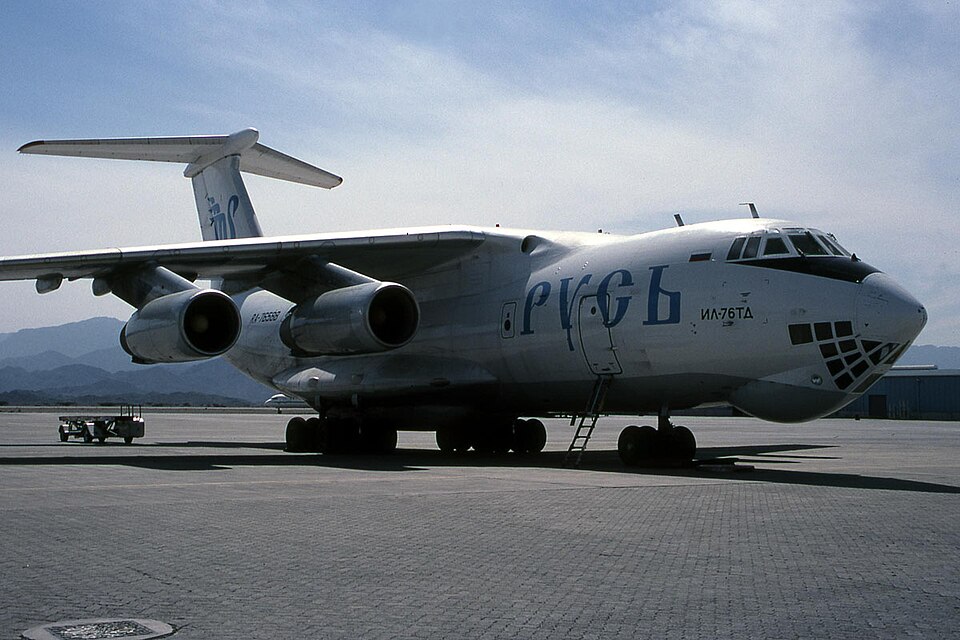
A cargo flight from Moscow to Taiyuan crashed in a wooded area after takeoff in fog. The aircraft was overloaded, and all 10 occupants were killed.
The official findings identified several contributing factors: negligence in company operations and aircraft maintenance; improper flight preparation with the total weight well above the maximum takeoff weight (MTOW); lack of seriousness and documentation control during cargo loading at Chkalovsky Airport; non-compliance with standard operating procedures for pre-takeoff cargo checks, resulting in 13.6 to 14 tons of excess cargo; an estimated total weight of 204 tons against a certified maximum of 191.9 tons; the crew's failure to identify the captain's errors, including premature stabilizer positioning at -3.9° while trailing edge flaps were retracted, causing insufficient lift; ineffective flight crew coordination and insufficient attention to altitude in reduced visibility; and foggy conditions that prevented the crew from distinguishing obstacles past the runway end in time. The operator's certificate was revoked as a result.
A SkyWalk Join't 3 paraglider crashed into the ground near Las Vizcachas, Chile, on September 1, 2024. The pilot and passenger sustained serious spinal…
A Cessna 172N struck electrical cables while on final approach to land at Aucó Aerodrome in Chile. The pilot was uninjured, but the aircraft sustained damage…
A Bombardier DHC-8-402 suffered a tail strike during landing at Puerto Williams on September 9, 2024. All 76 occupants were unharmed, but the aircraft…
A MYD JS-MD 3 glider veered off the runway and struck a wall at Vitacura Aerodrome on January 6, 2025. The pilot was uninjured, but the aircraft sustained…
A recreational paraglider flight in Puchuncaví, Chile, ended with the pilot sustaining serious injuries after a rapid descent and impact with a hillside on…
A Tecnam P2006T landed on its belly at an aerodrome in Poland after the crew failed to confirm landing gear deployment. The incident resulted in no injuries…