What happened
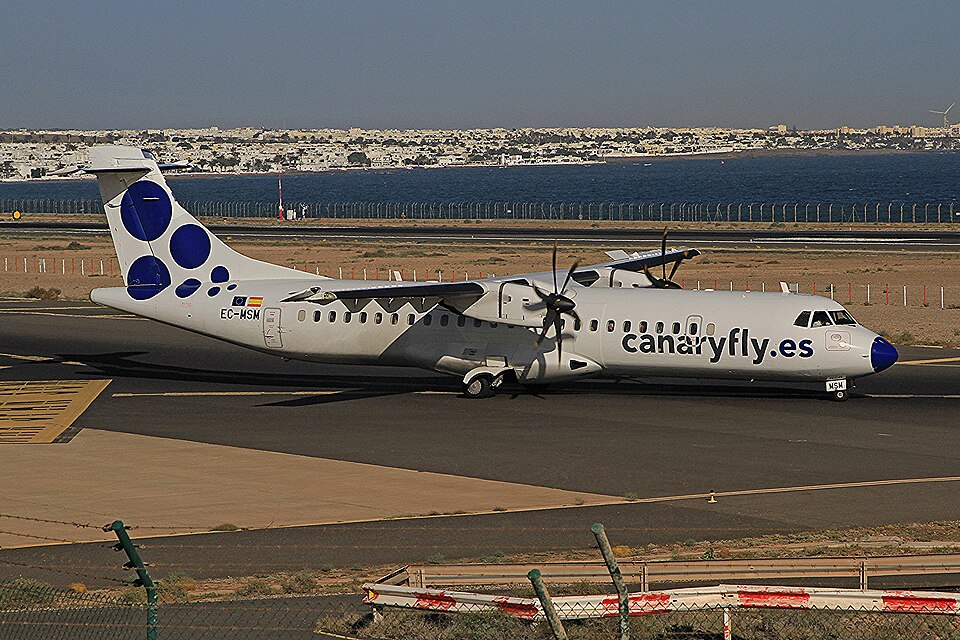
On January 31, 2022, at approximately 09:40 UTC, an ATR 72-212A, registration EC-MSM, was cleared for takeoff from runway 03L at Gran Canaria Airport (GCLP). As the aircraft performed a rolling takeoff, the flight crew observed a maintenance vehicle (V1) approaching the aircraft on the runway. The pilot immediately reacted by aborting the takeoff procedure. There were no injuries and no damage to the aircraft or the vehicle.
Prior to the incident, the air traffic controller had authorized the maintenance vehicle to begin a routine runway inspection. While the vehicle was operating on runway 03L, the controller cleared the ATR 72-212A to enter the runway and proceed with its departure.
The investigation
The investigation examined the actions of the air traffic controller, the vehicle driver, and the operational procedures in place at the time. The investigation found that the controller had recently unified two control positions into one, increasing the complexity of the task. During the shift change, the physical arrangement of runway information markers in the controller's bay had been altered, with the markers for runway 03R placed above those for 03L.
The controller checked the information markers to ensure the runway was not blocked but failed to notice that the markers had been swapped. Consequently, the controller believed the vehicle was on a different runway. Additionally, the investigation noted that residual haze and solar glare limited the controller's visual ability to detect the vehicle on the runway.
Findings
- The primary cause of the runway incursion was the failure to adhere to established procedures, as the controller authorized the ATR 72-212A to take off while the runway was still occupied by the maintenance vehicle.
- A contributing factor was the failure of the supervisory controller to implement recommendations from previous incidents, which would have required a second controller to monitor runway inspections specifically.
- The maintenance vehicle driver did not notify the controller of their exact position as required by the operational manual.
- The controller failed to verify the vehicle's position through visual scanning or binoculars and did not notice the swapped position of the runway markers in the control bay.
- The operational manual lacked complete, standardized procedures for runway inspections and marker placement, relying instead on customary practices that were prone to error during staff handovers.