Overview
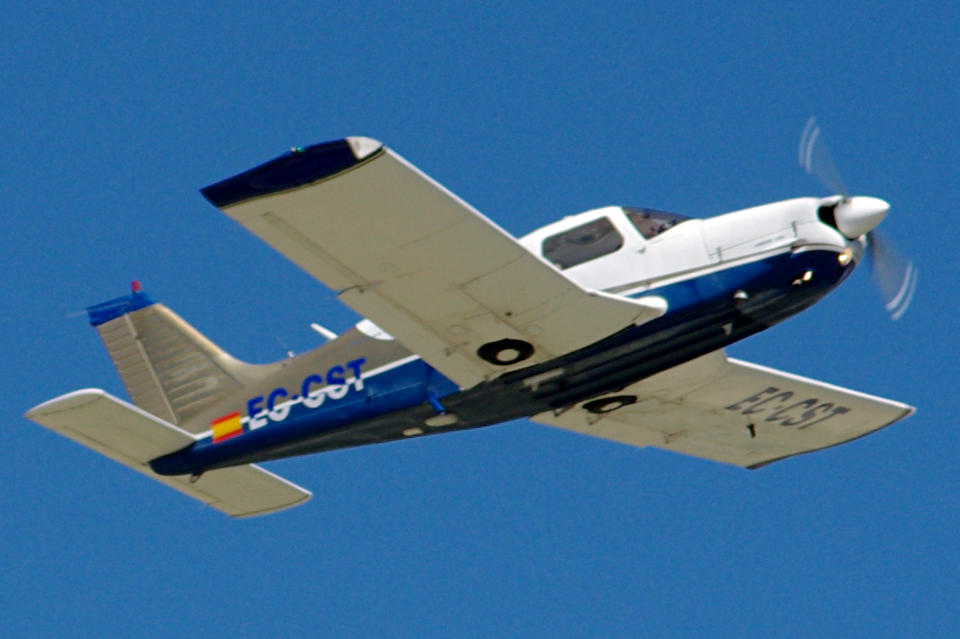
On 18 April 2021, at approximately 15:15 local time, a loss of separation occurred between two private aircraft near Arroyomolinos, Madrid, Spain. The aircraft involved were a Piper PA-28R-200, registration EC-CST, and an AEROSTAR Yakovlev Yak-52, registration EC-IAR. Both flights were conducted under Visual Flight Rules (VFR) within the Madrid Terminal Control Area (TMA). The EC-CST was en route in cruise phase, while the EC-IAR was maneuvering locally. Both aircraft had two occupants (pilot and passenger), all reported uninjured. No damage to either aircraft was recorded.
Aircraft Information
The Piper PA-28R-200 (EC-CST, serial number 28R-7535319) was privately owned and operated. The Yak-52 (EC-IAR, serial number 822011) was also privately owned and operated.
Incident Sequence
The exact horizontal and vertical separation between the two aircraft at the time of the event could not be precisely determined from available data, including radar tracks. However, based on statements from the pilot of one of the aircraft, the distance between them was likely minimal enough to compromise operational safety. Both aircraft were operating VFR in the same airspace. The EC-IAR was conducting local maneuvers, and the EC-CST was on a cross-country flight.
Investigation Findings
The investigation identified that the loss of separation was most probably caused by the EC-IAR's lack of adherence to established collision avoidance rules regarding the maintenance of separation between aircraft. Additionally, deficiencies were found concerning the acrobatic box (caja acrobática) associated with Casarrubios del Monte aerodrome (LEMT), specifically regarding its approval and layout.
Probable Cause
The most probable cause of the incident was the lack of adherence to the established rules on collision avoidance by the EC-IAR aircraft, specifically concerning the maintenance of separation between aircraft.
Recommendations
As a result of the investigation, two recommendations were issued to Aerohobby Aviación Deportiva S.L., and one recommendation was issued to ENAIRE, the Spanish air navigation service provider.