Summary of the Report
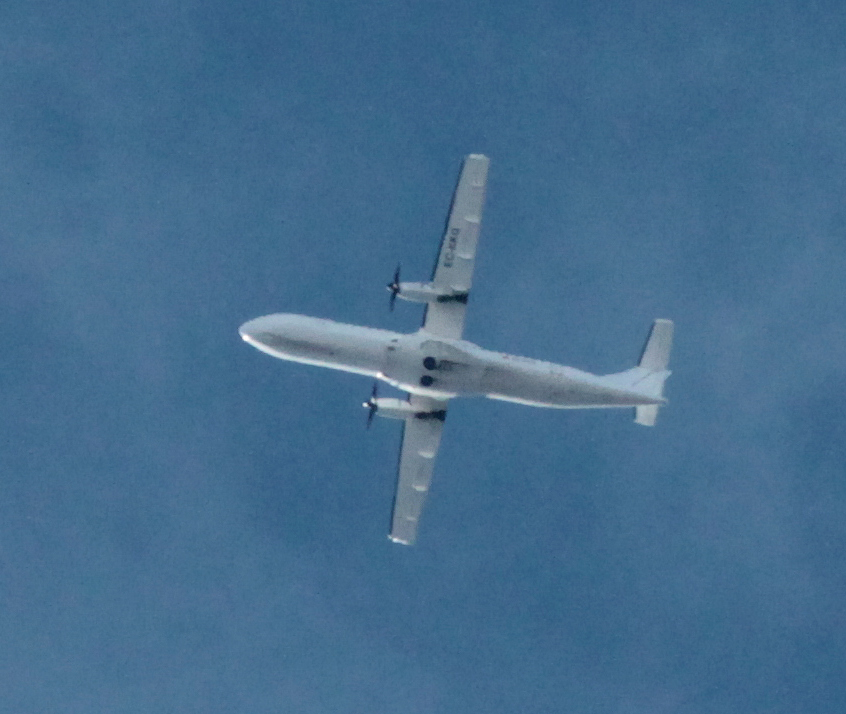
The Comisión de Investigación de Accidentes e Incidentes de Aviación Civil (CIAIAC) published Technical Report IN-017/2013 concerning an incident that occurred on 24 June 2013. The incident involved an ATR-72-212A aircraft, registration EC-KKQ, operated by Swiftair, in the vicinity of Madrid-Barajas Airport (Madrid, Spain). The report is a technical document reflecting the CIAIAC’s perspective on the circumstances, probable causes, and consequences of the event, conducted exclusively for prevention purposes.
Factual Information
The report includes information on the flight history, personnel (pilot in command, copilot, cabin crew, local controllers), aircraft details (ATR-72-212A, engines, maintenance), meteorological conditions, navigation aids, communications, aerodrome data, flight recorders (DFDR and CVR), wreckage, medical and pathological information, fire, survival aspects, tests and research, organizational and management information, and additional interviews. The factual section documents a blade fracture and subsequent damage to the engine.
Analysis
The analysis section is divided into emergency management (flight crew, ATC, airport), the blade fracture and probable damage sequence, and measures adopted by Swiftair and the manufacturer. The report examines the sequence of events leading to the engine failure and the actions taken by the crew and controllers.
Conclusions
The conclusions list findings and contributing factors/causes as determined by the investigation. However, the specific probable cause is not reproduced here as the source does not provide the conclusion text verbatim.
This article is based solely on the content of the official report as provided.