History
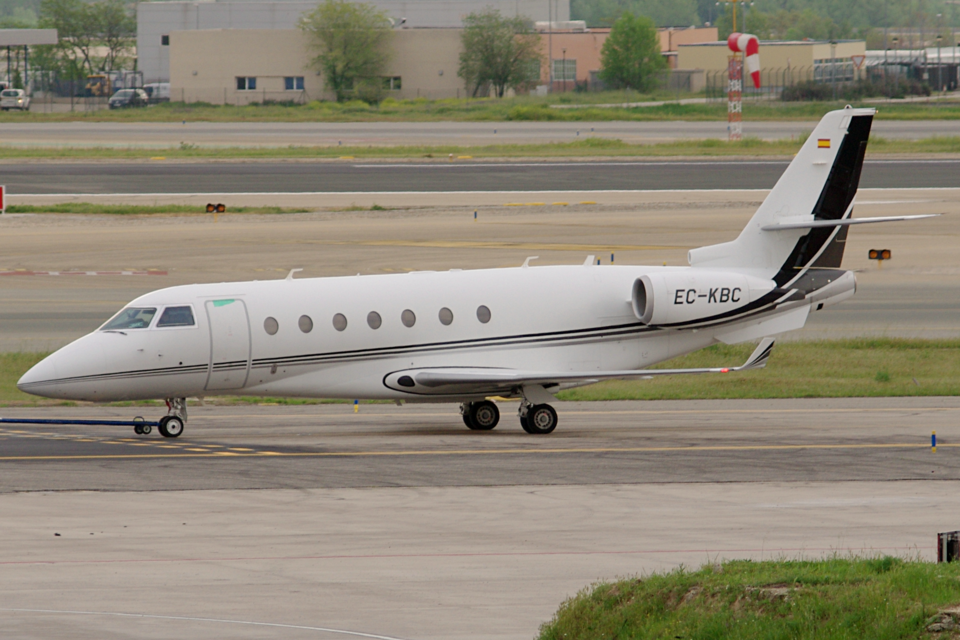
The incident occurred on 26 September 2016 at Barcelona-El Prat Airport (LEBL). The Gulfstream G200, registration EC-KBC, was landing on runway 07R. The flight from Madrid-Barajas was uneventful. At 13:08 the crew contacted Barcelona approach. At 13:12:30 the aircraft touched down on runway 07R. During the landing roll, the aircraft veered left, exited the runway at 13:13:11, and came to rest on soft ground. The two crew members were not injured.
Injuries
There were no injuries to persons on board or on the ground.
Damage
The aircraft sustained damage to the nose landing gear, left main landing gear, left engine cowling, and other components.
Aircraft Information
The aircraft was a Gulfstream G200, registration EC-KBC. The rudder system had a component that was not working correctly, which reduced rudder effectiveness. This condition was not detected by the crew during the pre-flight inspection. The aircraft's weight and balance data had not been updated.
Investigation Findings
The investigation determined that the probable cause of the incident was the loss of directional control during the landing roll due to a reduction in rudder effectiveness caused by a component of the rudder system that was not working correctly, which was not detected by the crew during the pre-flight inspection. Contributing factors included lack of crew coordination in resource management, ineffective use of the braking system, outdated weight and balance data, and incorrect application of thrust reversers.
Safety Recommendations
The investigation report included safety recommendations aimed at preventing similar occurrences.