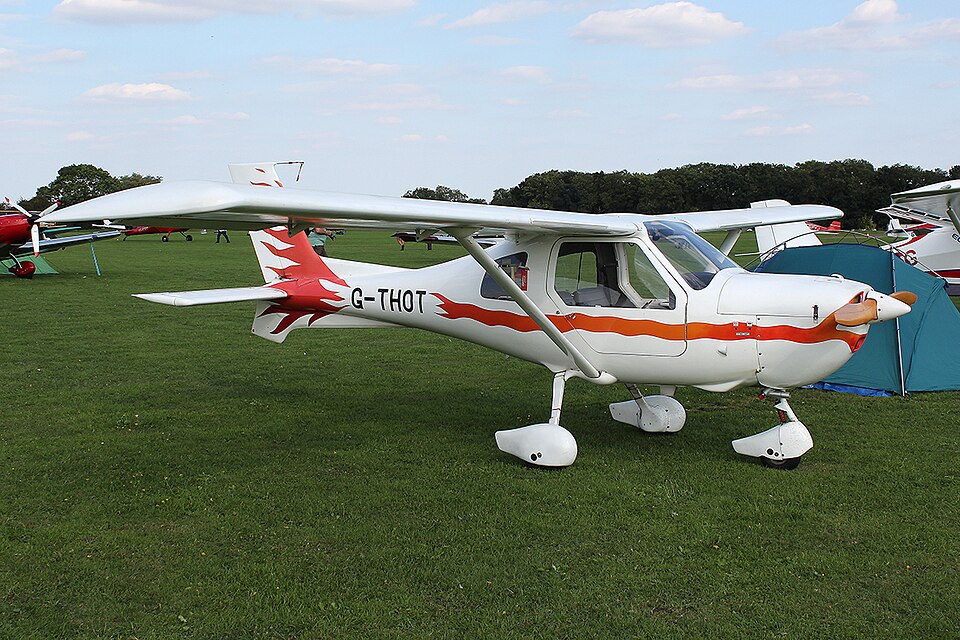
Aircraft and Flight Details
The Jabiru SK, registered G-THOT, was manufactured in 1998 and powered by a single Jabiru Aircraft Pty 2200A piston engine. The pilot, holding an Airline Transport Pilots Licence and aged 62, had accumulated 14,952 total flying hours, with 44 hours on type. The private flight originated from White Waltham and was destined for a maintenance facility at Southery Airstrip, Norfolk. The flight transited Luton CTR and was uneventful until arrival.
Weather and Approach
Five minutes before the estimated time of arrival, the pilot requested the latest weather at Marham, approximately 8 nautical miles away. The reported conditions included a visibility of 10 km, wind from 180° at 6 knots gusting to 10 knots, and a temperature of +23°C. At Southery, the pilot performed two fly-pasts to confirm the wind direction from the airfield windsock, which indicated wind from 180° at 6 to 10 knots. A left-hand circuit was flown for the grass Runway 27, which is 548 metres in length. The landing was configured with full flap at a reported airspeed of 60 knots. Due to possible windshear and varying wind direction, the pilot selected an aiming point slightly further down the runway than normal.
Landing and Accident
After the initial flare, the aircraft floated with a ground speed significantly higher than expected. The pilot considered a go-around but determined it was not feasible due to the height of trees at the end of the runway, coupled with the cross-wind and high temperature. Instead, the pilot eased the stick forward to land the aircraft. As the aircraft was already in the flare, it touched down on all three gears simultaneously. The aircraft bounced and then landed in a slight nose-down attitude. The nose gear collapsed, fracturing the propeller at the root and significantly shock-loading the engine enough to crack the crankshaft. Damage was sustained to the nose landing gear, propeller, engine, and fuselage. The pilot reported no injuries.
Subsequent Findings
After the accident, the local windsock indicated the wind was varying from 140° to 220° at 6 to 12 knots. Anecdotal evidence from other pilots suggested that conditions on the day could have caused thermals, which, coupled with the tailwind, may have caused the aircraft to float and have a higher than expected ground speed. G-THOT had been involved in a prior incident in July where a 'thump' was heard during take-off; subsequent inspections of the nose leg and bulkhead attachments did not reveal any damage. The maintenance organisation repairing the aircraft after this accident found no evidence of previous damage to the nose leg that could have contributed to the collapse.