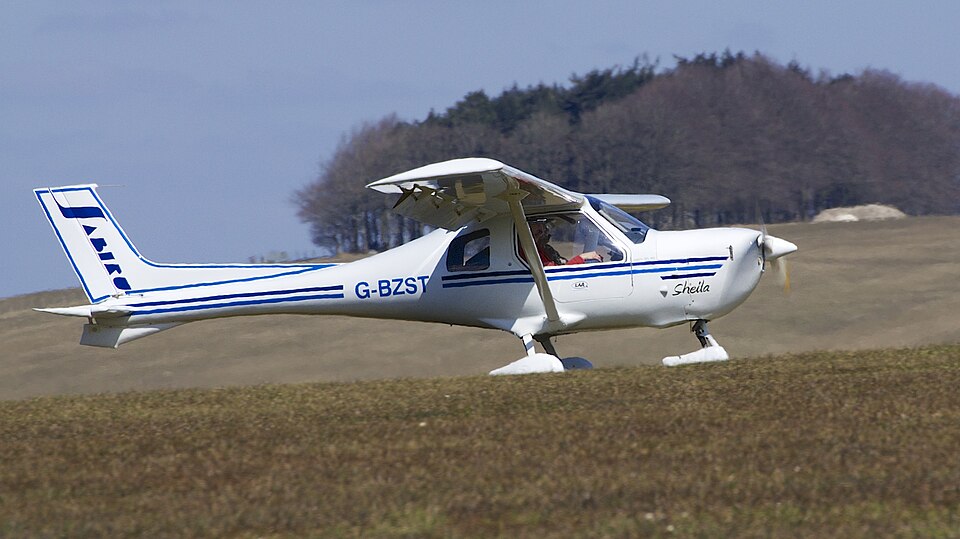
Aircraft and Flight Details
A Jabiru UL-450, registration G-BZST, powered by a single Jabiru 2200A piston engine and manufactured in 2001, was involved in an incident on 17 October 2001 at Isle of Wight Airport, Sandown, Isle of Wight, Hampshire. The flight was private, with one pilot and no passengers. The pilot held a Private Pilot's Licence (Microlights) and was 60 years old. His total flying experience was 31 hours, all on the type, with 25 hours in the last 90 days and 25 hours in the last 28 days.
Sequence of Events
The aircraft was flown from Headcorn to Sandown Airport. On arrival, the pilot joined the downwind leg of the circuit and was cleared to land on Runway 23. Weather conditions were good with a light southerly wind. While on the base leg, the pilot lowered both stages of flap. Turning finals, he crossed the runway threshold at 60 knots, approximately 5 knots faster than normal. The aircraft touched down fast and bounced. The pilot then lowered the nose. Although he believed the aircraft landed on all three wheels, the nose landing gear bent backward, and the propeller contacted the runway surface. The aircraft came to a stop on the runway. The pilot and passenger vacated through the normal exits. The airport Rescue and Fire Fighting Service attended immediately and assisted the pilot in pushing the aircraft clear of the runway.
Damage and Injuries
Damage comprised a broken propeller and broken front nose landing gear. There were no injuries to the crew or passengers.
Pilot's Assessment
The pilot considered that the cause of the accident was that his landing speed was too fast and that, in lowering the aircraft nose rather than going around, the aircraft had come down heavily on the nose landing gear.