Incident Details
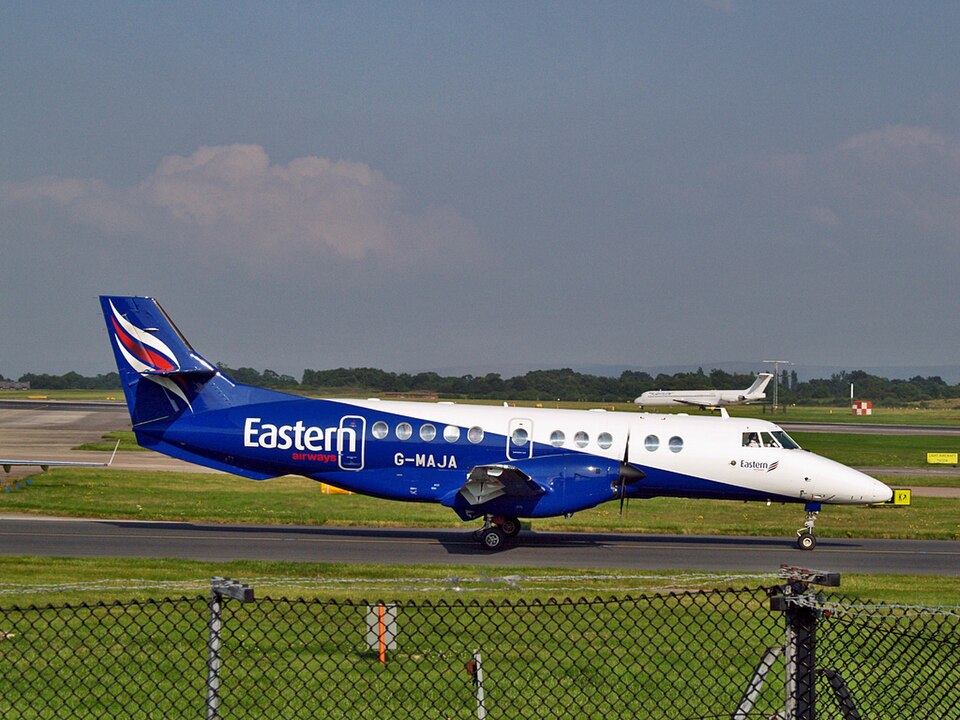
On 20 April 2001 at 0825 UTC, a Jetstream 4100 (registration G-MAJA) departed Glasgow Airport on a public transport flight to Cardiff. During the climb at approximately Flight Level 240, the Central Annunciator Panel displayed a 'Toilet Smoke' caption. The cabin attendant was consulted and confirmed that no one was smoking in the toilet, but reported a 'blue haze' in the cabin that was not observed on the flight deck. The crew declared a Mayday and initiated a return to Glasgow, performing the Emergency Check List drill. During the descent, the warning caption extinguished, and the Mayday was downgraded to a PAN call. The aircraft landed without further incident.
Previous Incidents
G-MAJA had experienced a similar incident the day before, but without the 'Toilet Smoke' warning. In response, the airline examined the left Air Cycle Machine (ACM), which was found to be 'slightly stiff' to turn; it was freed and the aircraft returned to service. After the 20 April incident, the left ACM was replaced.
A further report on 1 May of smoke in the cabin during landing and taxi led to the replacement of the right ACM. On 27 July, another incident occurred during climb, involving a 'hot' smell (no visible smoke) and a toilet smoke warning. While the checklist was being actioned, the warning disappeared and the smell dissipated. No Mayday or PAN call was made, and the aircraft landed normally.
Investigation
Following the 1 May incident, the aircraft manufacturer, together with the Environmental Control System (ECS) supplier, reviewed the problem. They concluded that the ECS was unlikely to have been the source of the smoke but could not suggest an alternative explanation. The airline had experienced several reports of unusual smells and visible haze in the cabin over the years. As a preventive measure, they regularly cleaned the ACM heat exchanger and the water separator screen.
After the 27 July incident, distinct traces of oily contamination were found on the ACM and heat exchanger. The left engine and ACM heat exchanger were subsequently changed. The left engine was dispatched to the manufacturer's overhaul facility for strip examination, as the source of the oil contamination appeared to lie within the engine. The precise origin and intermittent nature of the oil leak remained unclear pending the inspection results.
Discussion
The aircraft's ECS uses engine bleed air cooled by two ACMs. Left engine and ACM air supplies the cabin, while the right ACM preferentially supplies the flight deck. The system uses dry bearings to prevent oil contamination, and includes a particle separator and a water separator with a fabric screen. The ACM heat exchanger requires periodic cleaning. Previous engine oil over-replenishment problems on the Jetstream 41 fleet had not manifested as cabin smoke. No further similar incidents occurred after the left engine and ACM were replaced.