Flight History
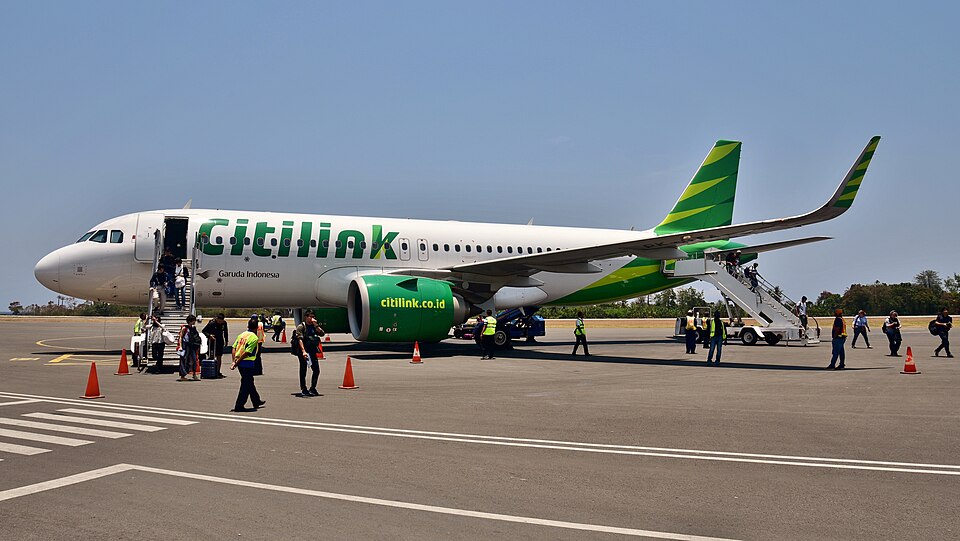
On 17 January 2018, two Airbus A320-200 aircraft, registered PK-GLH and PK-GTA, operated by PT. Citilink Indonesia, were on scheduled passenger flights to Juanda International Airport, Surabaya. PK-GLH operated as flight CTV878 from Supadio International Airport, Pontianak, while PK-GTA operated as flight CTV635 from Sultan Aji Muhammad Sulaiman International Airport, Balikpapan. Both flights carried two pilots, four flight attendants, and 180 passengers each. The flights were uneventful with no reported system malfunctions.
Sequence of Events
Both aircraft entered Surabaya East Terminal Control Area (TMA East), which provided radar surveillance services. Initially, both were instructed to hold over Waypoint EMARA at 20,000 feet. At 18:31:49 LT, the horizontal separation between the aircraft reduced from 5 nautical miles, while vertical separation was about 200 nautical miles and continued decreasing. Subsequently, the Traffic Collision Avoidance System Resolution Alert (TCAS RA) activated on both aircraft. After the TCAS RA, horizontal and vertical separation increased. The controller then issued instructions to both aircraft to avoid conflict. The flights continued uneventfully, and both aircraft landed on runway 18. The aircraft sustained no damage, and no injuries occurred.
Investigation Findings
The investigation highlighted a safety issue regarding the workload of the air traffic controller, which can impair alertness and performance. The Air Traffic Service (ATS) Provider had implemented measures such as safety nets, an assistant controller, and a watch supervisor to aid controller alertness. However, the potential conflict was not recognized until a pilot reported traffic on the right side.
Safety Actions
By the time of report publication, the Directorate General of Civil Aviation and AirNav Indonesia had taken safety actions.