Incident Overview
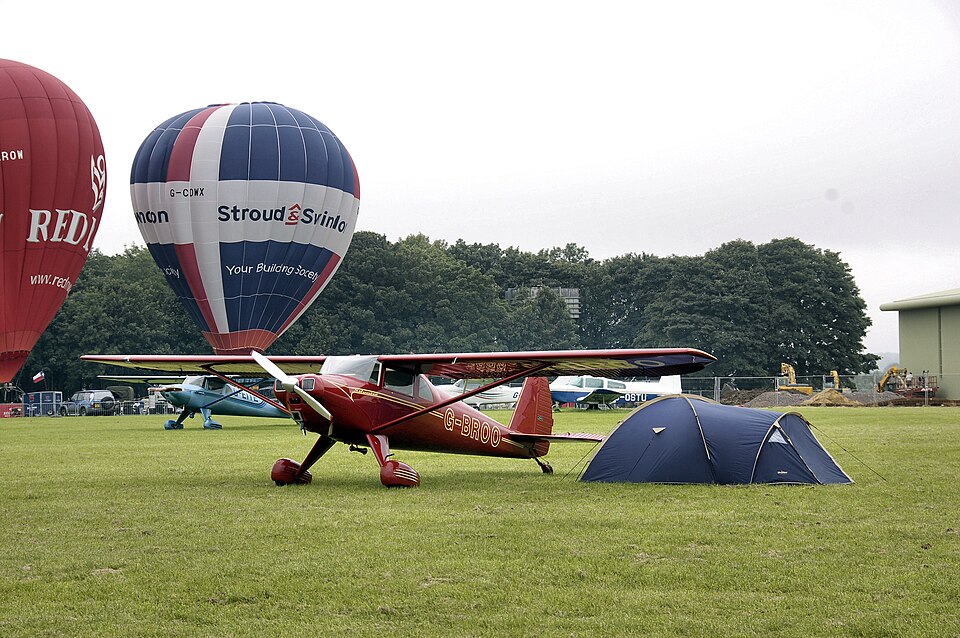
On 13 June 1999 at 1455 UTC, a privately operated Luscombe 8E (registration G-BROO, manufactured in 1948) sustained damage beyond economic repair during a landing at Bedwell Hay Farm Strip, Cambridgeshire. The aircraft, powered by one Continental PC60 piston engine, was conducting a private flight with one pilot and one passenger aboard. Neither occupant was injured.
Approach and Landing
The pilot was landing from a left-hand circuit to Runway 03. The grass strip was damp but in good condition; surface wind was 060°/2–3 kt, temperature 22°C, with no other significant weather. On final approach, the aircraft was not decelerating as expected. The pilot suspected thermal activity over the open ground and reduced power to idle. The passenger noted the indicated airspeed (IAS) was 80 mph rather than the normal 60–70 mph, but later observed the pilot correcting to the proper approach path and IAS reducing.
The pilot aimed to touch down as near the threshold as possible and thought the approach was good when entering the flare about 50 metres before the threshold. The passenger believed the aircraft was below the normal glidepath at that point, with IAS at 65 mph. Both occupants perceived a high rate of descent develop. The aircraft touched down in standing crop approximately 2 feet high, about 15 metres before the runway threshold, then came to rest inverted about 15 metres into the runway. Both occupants, wearing lap and diagonal upper torso restraints, escaped uninjured.
Pilot Experience and Reports
The 49-year-old pilot held a Private Pilot's Licence with 200 total flying hours, 126 of which were on the Luscombe 8E. In the preceding 90 days he had flown 7 hours, and 3 hours in the last 28 days. The pilot and passenger both submitted comprehensive reports to the AAIB. The pilot had flown this approach many times before.