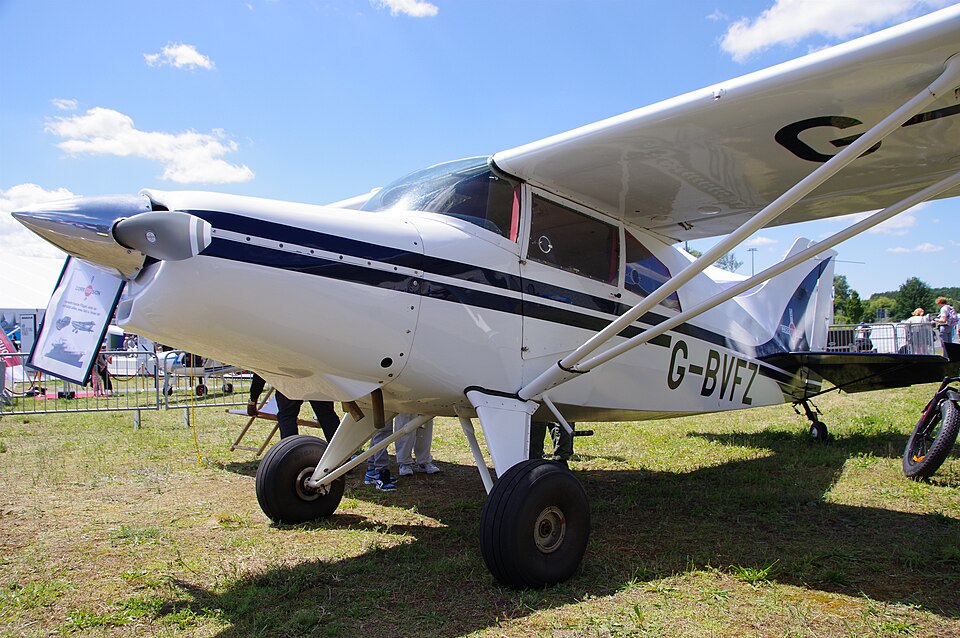
Incident Details
On 8 June 2003 at approximately 1605 UTC, a Maule M5-180C Lunar Rocket, registration G-BVFZ, was involved in an incident while landing at Manston, Kent. The aircraft, manufactured in 1986 and powered by a single Lycoming O-360-C1F piston engine, was conducting a private flight from Beccles with one pilot and one passenger. The pilot held a Private Pilot's Licence and had 1,096 hours of flying experience, including 9 hours on type.
Weather and Flight
The aircraft joined the circuit for Runway 28, which measures 2,752 meters in length and 61 meters in width, with an asphalt and concrete surface. Weather reported at 1320 UTC indicated surface wind from 220° at 15 knots, varying between 170° and 260°, visibility greater than 10 kilometers, and scattered cloud at 2,400 feet. Due to turbulent conditions, the pilot used an approach speed up to 10 mph above the normal 60 mph and configured the aircraft with the first stage of flaps.
The Incident
The pilot reported that the aircraft flared and touched down normally, slowing to a stop. During the landing rollout, he experienced difficulty maintaining directional control using the wheel brakes in strong, gusting wind from the south-west. When the aircraft became stationary, the left wing lifted sufficiently for the right wing tip to contact the runway surface. The aircraft then rotated approximately 30° to the left around the right main landing gear wheel before the left wing slowly dropped and the aircraft settled back onto the runway.
The duty air traffic controller observed the left wing lift significantly during the flare and initiated the airfield crash alarm. The Rescue and Fire Fighting Service (RFFS) responded immediately. The pilot was instructed to hold position until the RFFS arrived, then was escorted as he taxied clear of the runway. The engine was shut down, and with RFFS assistance, the aircraft was pushed to the parking area.
Damage and Aftermath
Inspection revealed minor impact damage to the right wheel rim, right wingtip, aileron, and elevator. A CAA engineer later assessed the damage, considering it likely occurred while the aircraft was stationary, as described by the pilot. The pilot did not seek engineering assistance to evaluate the damage or its implications for safe operation, deeming the aircraft fit for flight. He flew the aircraft back to Beccles later that day.
Pilot's Conclusion
The pilot concluded that the incident occurred because the strong gusting wind may have exceeded the aircraft's 14 mph crosswind limit.