Flight Details
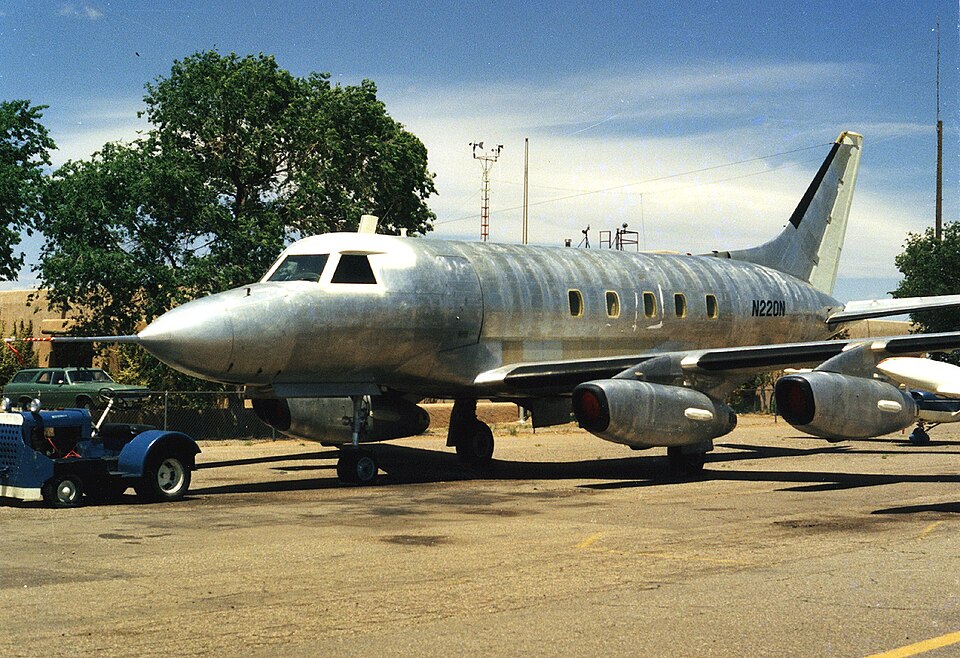
The accident involved a Mitsubishi MU-2B airplane operated by a commercial pilot with three passengers on a personal cross-country flight over ocean waters. During cruise at flight level (FL) 240, the airplane maintained a consistent heading, airspeed, and altitude for approximately 2.5 hours before radar contact was lost.
Weather Conditions
A significant meteorological information notice was issued during the flight, warning of frequent thunderstorms with tops reaching FL440 in the accident area at the time of the accident. Satellite imagery indicated cloud tops up to FL400. Moderate or greater icing conditions and supercooled large drops (SLD) were likely near or over the accident area.
Investigation Findings
The wreckage was not located for examination. The loss of the airplane's radar target, followed by the identification of debris and a fuel sheen on the water below the last radar target location, suggests the airplane entered an uncontrolled descent after encountering adverse weather and impacted the water.
Pilot Information
Before beginning training in the MU-2B about 4 months before the accident, the pilot had 21 hours of multiengine experience accumulated during sporadic flights over 9 years. Per a special federal aviation regulation, a pilot must complete specific ground and flight training and log a minimum of 100 flight hours as pilot-in-command (PIC) in multiengine airplanes before acting as PIC of a MU-2B. After starting training, the pilot flew about 50 hours in one month, including approximately 40 hours of long cross-country flights described by the flight instructor as "familiarization flights" for the pilot and "demonstration flights" for the airplane's owner. The pilot completed the required training and had an estimated 120 hours of multiengine experience, with 100 hours in the MU-2B. An instructor described the pilot as a good, attentive student, but it could not be determined if his training was ingrained enough for effective application without an instructor present.
Weather Briefing and Communications
The pilot's last known weather briefing occurred about 8 hours before departure. It is not known if the pilot obtained updated weather information. A hazardous weather advisory was provided via an air traffic control broadcast about 25 minutes before the accident. Sufficient weather information was available for the pilot to expect convective activity and potential icing along the route. However, there is no evidence from the airplane's radar track or the pilot's communications that he recognized or attempted to avoid the convective conditions or exit icing conditions.
Fatigue Considerations
Available evidence suggested the pilot may not have obtained adequate restorative sleep the night before the accident, but there was insufficient evidence to determine the extent to which fatigue played a role in his decision making or the sequence of events.