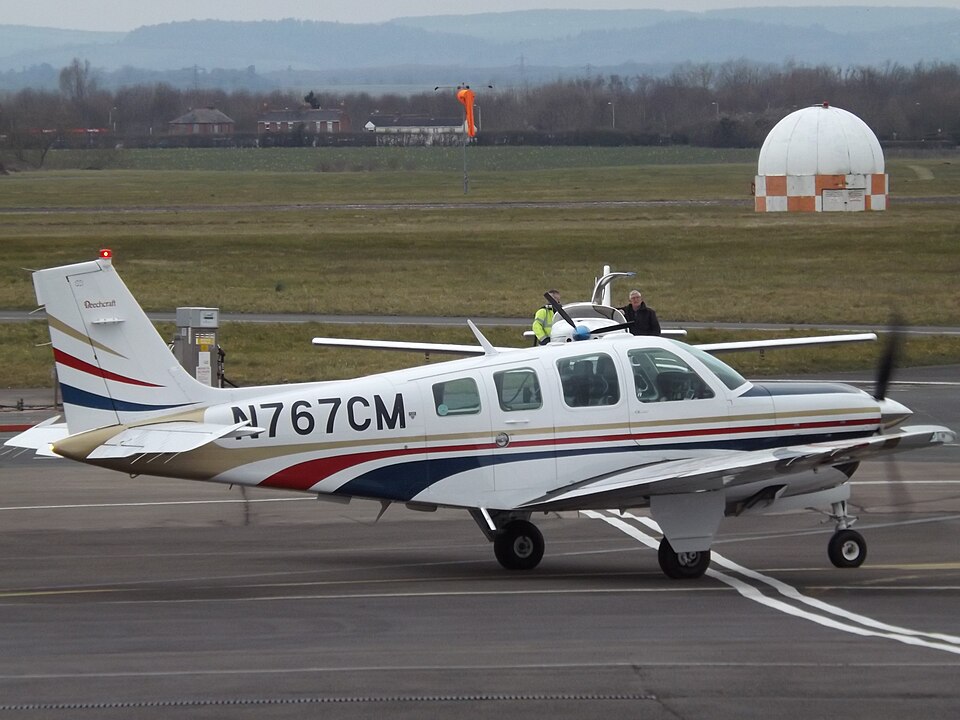
Incident Overview
On June 15, 2005, at 14:45 UTC, a Beech 36 Bonanza, registration N767CM, was on an IFR flight plan from Luxembourg to Milano Linate (LIML). The aircraft, carrying a pilot and one passenger, was cleared to land on runway 36R. The reported visibility was 8 km, wind calm, and the ILS glide path signal for runway 36R was inoperative, as per NOTAM A 2740 dated June 10, 2005.
Approach and Landing
The pilot contacted Linate Tower at 14:45:01 and received landing clearance: “N767CM clear to land runway 36 right, no wind, QNH 1015.” The pilot acknowledged correctly. The aircraft overflew the ILS outer marker at about 5 NM from touchdown. During the final approach, the pilot deviated to the right and aligned with taxiway T, which runs parallel to runway 36R. The tower controller, after ensuring the taxiway was clear of aircraft, vehicles, or personnel, and assessing the criticality of the maneuver, decided not to intervene, allowing the landing to proceed.
Aftermath
After landing, the controller asked the pilot to confirm the situation: “N767CM, Linate, you have landed on the taxiway, confirm you are OK?” The pilot responded: “Yes I’m fine now, I have understood this but I was confused but I saw the…no problem.” The pilot later stated that due to haze and the lack of a glide slope, he reached visual contact with the field at about 600 feet and mistakenly identified taxiway T as runway 36R. He noticed the absence of runway markings but decided to continue because the surface was concrete and clear.
Contributing Factors (from analysis)
The analysis noted that the pilot’s confusion and moment of uncertainty about the runway location suggested inadequate review of operational documentation, particularly airport characteristics including runways and taxiways. The ILS glide slope inoperability required a non-precision approach. The Jeppesen approach charts for runway 36R, as well as those in the AIP Italy, were found to have insufficient graphical reference for the location of runway 36L/18R, which is 1900 meters ahead and 600 meters left of the main runway. The controller reported difficulty visually tracking the small white aircraft due to glare but observed its radar track.
Conclusions
The investigation determined that the aircraft landed safely on the taxiway without damage or injury. No formal probable cause was stated, but the report emphasized that proper pre-flight planning and chart consultation might have prevented the incident.