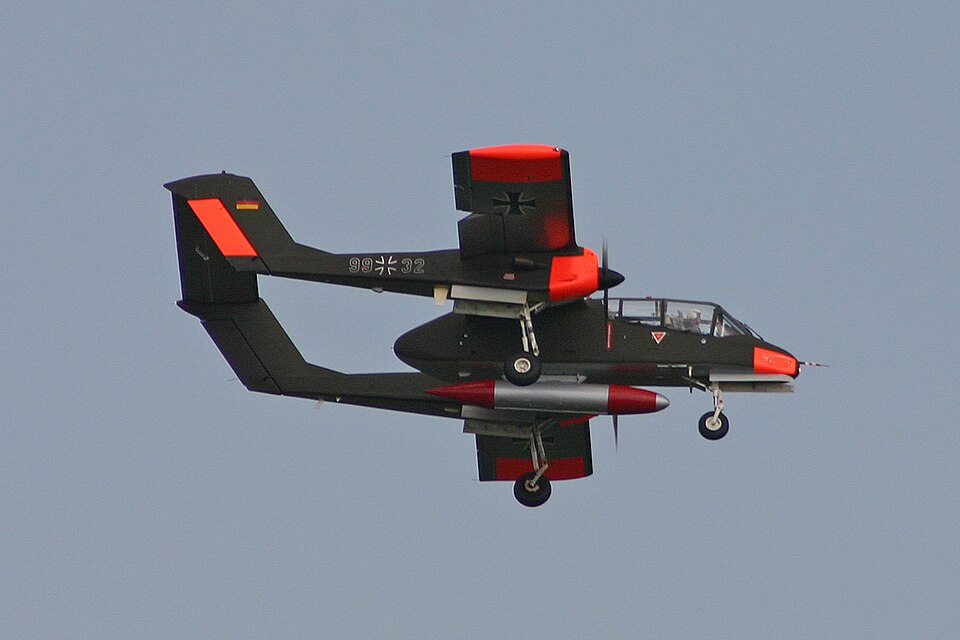
History of the Flight
On 5 July 2012, the aircraft flew from Kortrijk-Wevelgem International Airport, Belgium, to RAF Fairford, Gloucestershire, where it was displayed as a static exhibit on 7 and 8 July 2012. On 9 July 2012, it departed RAF Fairford for Cotswold (Kemble) Airport, a flight of 5 minutes. The pilot then conducted two air-to-air photographic flights. On 10 July 2012, the pilot decided to carry out two display practices, adding 300 ft to his minimum authorised aerobatic height of 500 ft. He notified ATC and the Rescue and Fire Fighting Service (RFFS) was placed at ‘Local Standby’.
Accident Sequence
The aircraft took off from Runway 26. The pilot initiated a steep climbing left turn, then commenced a barrel roll on a westerly track parallel to and south of Runway 26. The pilot recalled a positive pitch up to 45° nose-up, followed by a roll to the left. After rolling through 90°, he sensed the roll rate was too high and reduced it. Witnesses observed that as the aircraft approached the inverted position, the nose dropped below the horizon and a steep nose-down attitude developed. The aircraft continued to pitch through the vertical until it was upright in a nose-down attitude, with insufficient height to recover. The pilot later recalled realising he was in an upright, approximately 45° nose-down, wings level attitude. He attempted to pull the nose up, but the rudder pedal shaker activated, indicating approach to stall. He eased back pressure to avoid stalling and turned 20–30° toward a less obstructed area.
Impact and Rescue
The aircraft struck the ground in an approximately level, upright attitude with a high rate of descent. The centreline drop tank disrupted on impact, and a fire began immediately. The aircraft slid forward, through a fence, rotated about its right wing, and travelled backwards across the runway toward the ATC Tower. It came to rest upright with a significant fire aft of the cockpit. RFFS and bystanders arrived rapidly; the fire was suppressed. The pilot released his harness but was initially trapped. Several attempts to pull him out failed until he freed himself and was assisted from the aircraft.
Injuries and Damage
The pilot suffered spinal injuries and burns and was flown to hospital by Air Ambulance. The aircraft was destroyed.
Aircraft Information
The aircraft was a North American Rockwell OV-10B Bronco, serial no. 338-17, year of manufacture 1971, powered by two Garrett turboprop engines (T76-G-418 and T76-G-419). It was originally restored to flying condition and issued a Permit to Fly in 2007. The cockpit had recently been fitted with an observer’s seat, but the Organisational Control Manual had not been updated, so passengers were not permitted. At the time of the accident, the estimated fuel load was 2,650 lbs, and the aircraft weight was 10,700 lbs (below the Maximum Takeoff Weight of 12,500 lbs). The stall warning system consisted of a stall detector and a pedal shaker; during a 2010 flight test, it activated approximately 10 kt above the actual stall speed in clean configuration.