Incident Overview
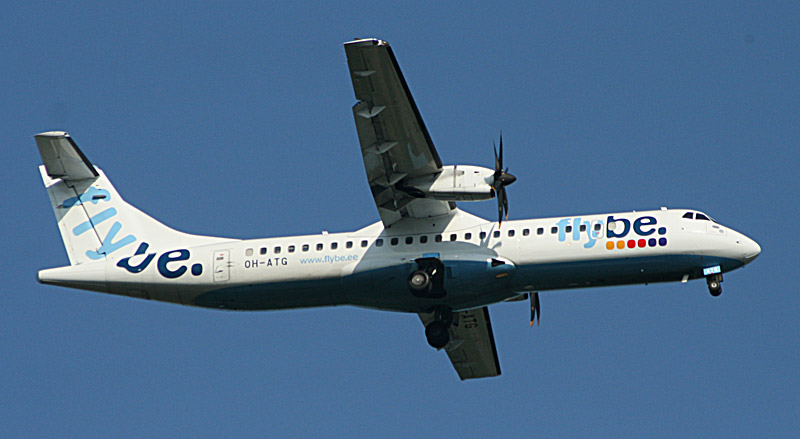
On 30 October 2021, Nordic Regional Airlines (Norra) operated Finnair flight AY1074 from Riga to Helsinki using an ATR 72-500 aircraft, registration OH-ATG. The flight carried 41 passengers and 4 crew members. Shortly after takeoff, a Digital Air Data Computer (DADC) warning appeared, and the autopilot disengaged. The captain resumed manual control and later successfully re-engaged the autopilot.
Event Details
During the climb, at approximately 5,000 feet, the first officer detected an unusual oil-like smell in the cockpit. The captain also noticed the odor, which gradually faded. No visible smoke was present, and all aircraft systems operated normally. The captain inquired with the cabin crew, who reported no abnormalities. Later, near the end of the climb, the captain again detected the smell and opened his ventilation valve, which released normal-smelling air. The odor dissipated again. The captain felt slightly unwell but the first officer did not. A cabin crew member visited the cockpit but noticed nothing unusual. The crew did not use emergency checklists or contact ground maintenance; they planned to divert to Tallinn if necessary. Since no further odor occurred after the climb, they continued to Helsinki.
During the approach to Helsinki-Vantaa Airport, the crew reviewed the smoke emergency checklist in anticipation. On final approach to runway 15, at about 2,500 feet and 7 nautical miles from the threshold, when the crew reduced engine power to idle, a strong oil-like smoke odor entered the cockpit. The pilots immediately donned oxygen masks, and the first officer declared an emergency, intending to stop on the runway for evacuation. They performed memory items from the smoke checklist but forgot to switch off the recirculation fans. Smoke goggles were not used as no visible smoke was present.
Actions Taken
The aircraft landed at 12:16 UTC. After a normal landing, the captain stopped on the runway and ordered the cabin crew to standby for emergency procedures via the standard command "cabin crew at stations." The approach control shift supervisor contacted the emergency center, while the local control shift supervisor coordinated with airport rescue units and filed deviation reports. With oxygen masks on, the pilots checked engine and pneumatic system indications for signs of fire but found nothing unusual. The recirculation fans were then turned off. The senior cabin crew member reported the cabin was normal.
After about one minute stationary, the captain taxied off the runway and stopped at the intersection of taxiways Y and YF, where rescue units arrived. The captain removed his mask to check for odors and found none; everything appeared normal. He requested permission to taxi to a stand where passengers could disembark via bus. The controller said they would look into it. The captain also asked for a radio frequency to communicate directly with the rescue units, but the controller had none available; communication remained on the local control frequency.
The captain informed the cabin crew and passengers. The aircraft remained on the taxiway with both engines running for three minutes, then the left engine was shut down. Air traffic control cleared the aircraft to parking position 8. The captain asked the controller to relay the move to the rescue vehicles, which then moved away. He opened a small communication hatch on the left side of the cockpit and waved a note indicating the intention to taxi to parking. The right engine was still running and the beacon light was on.
Post-Landing Procedures
A fire chief in a command vehicle about 30 meters ahead saw the open hatch and verbally instructed a firefighter equipped for smoke diving to check for door openings, mentioning the open hatch. Due to propeller noise and equipment, the firefighter did not hear the comment about the hatch. Walking towards the aircraft, he missed the open hatch and proceeded to the forward cargo door. He pulled the door's release handle from its cover, which unlocked the door and activated a cockpit indicator, but the door did not open because electrical control from a panel beside the door was also required. The firefighter pulled harder, causing the door to slightly yield but remain closed. Then he noticed the note from the communication hatch, retrieved it, and delivered it to the fire chief, who directed the rescue vehicles to clear the way.