History of the Flight
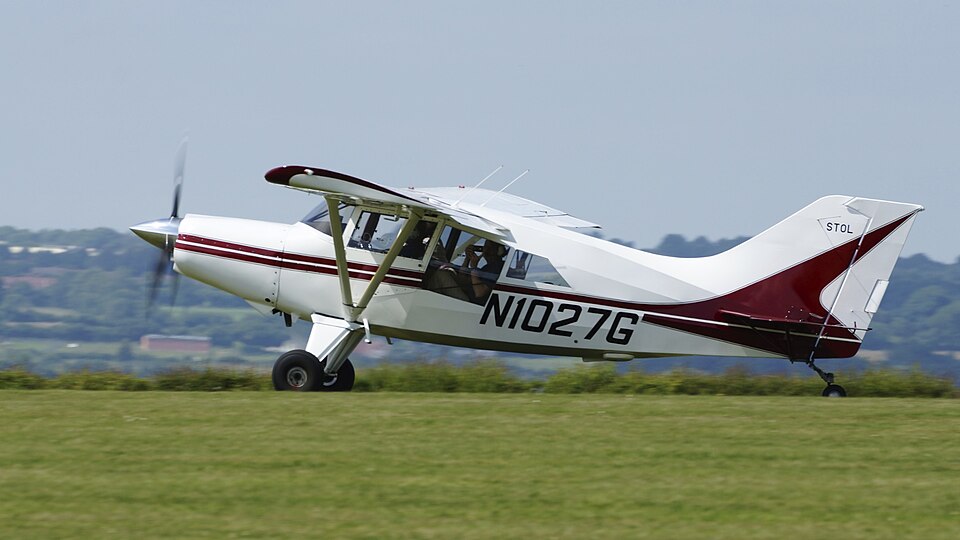
The pilot, the owner of the aircraft, departed from Lille-Marcq-en-Baroeul aerodrome (59) with a passenger for a flight to Le Touquet-Paris Plage. Upon arrival, the pilot listened to the ATIS 'Bravo' information, which indicated that runway 13 was in use with wind from 080° at 10 kt. The pilot then joined the aerodrome circuit. On final approach, the controller transmitted a wind of 080° at 12 kt. The pilot conducted a final approach with a drift correction at a speed of 75 mph with flaps set to the third notch (40°). At a low altitude, the pilot cancelled the drift and performed a three-point landing. During deceleration, the aircraft abruptly turned left. The left wing lifted, and the right wingtip struck the ground. The right main landing gear collapsed, and the aircraft came to a stop on the runway.
Aircraft Information
The Maule M-7-235B is a tailwheel aircraft. It is equipped with flaps having five positions: a cruise position (-7°) and four notches (0°, 24°, 40°, 48°). The flight manual states that landing is normally performed with flaps at the fourth notch, but any other position may be used. The maximum demonstrated crosswind component is 12 kt; however, the manual notes that this maximum was used for certification but is not considered limiting when flaps are set to the first notch. The manual also recommends using the first notch during landing in gusty crosswind conditions. No approach speed is mentioned in the manual.
Meteorological Information
The ATIS 'Charlie' recorded at 11:00 at Le Touquet aerodrome indicated that runway 13 was in use, with wind from 080° at 10 kt, gusting to 17 kt. This information was recorded between the pilot's first radio contact and landing; the pilot was not informed of the possibility of gusts. The wind reported by the controller was a two-minute average; thus, the available information did not reflect the exact instantaneous wind.
Pilot Information
The pilot, the owner of the aircraft, held a private pilot license issued by the United States in 1999 based on a foreign license, and also a private pilot license issued by the United Kingdom in 1995. The pilot had approximately 2,000 total flight hours, including 600 hours on type. In the three months prior to the accident, the pilot had flown 36 hours, of which 17 hours were on type. The pilot stated that the Maule M-7-235B is very sensitive to crosswind gusts.
Probable Cause
The pilot performed an approach and landing based on the wind he was aware of. The aircraft was probably destabilized by a crosswind gust during the landing roll. The suddenness of the phenomenon did not allow the pilot to correct the trajectory and avoid the loss of control.