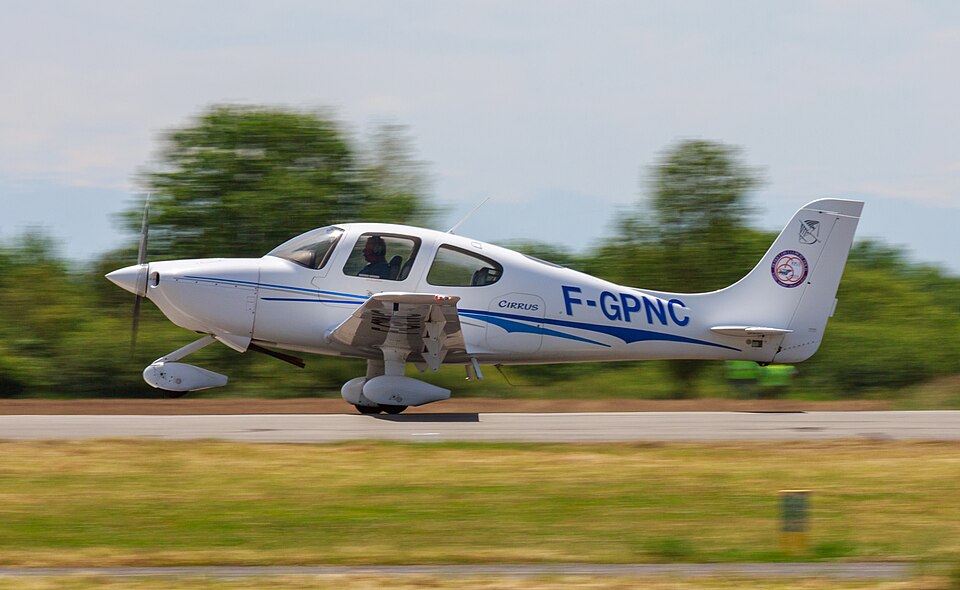
What happened
On December 3, 2011, a Cirrus Design SR20, registration F-GPNC, was conducting a local flight over the Pyrenees, departing from and returning to the Muret aerodrome. During the descent between Saint-Girons and Cazères, the pilot noticed vibrations and a decrease in fuel flow. Despite activating the electric pump and switching to the alternative fuel tank, the engine power remained insufficient to maintain level flight. The pilot subsequently performed a forced landing in a field near Le Plan. There were no injuries and no fatalities during the incident.
The investigation
Investigators examined the engine's fuel system and discovered that three of the six injectors were partially obstructed by contaminants. This pollution was also found within the fuel distributor. The investigation identified two distinct types of debris: metallic particles and very fine mineral particles. The metallic particles originated from the corrosion of several components within the engine fuel circuit, including the distributor, the metering unit spring, two fittings, and the mechanical pump. The mineral particles were determined to have originated from a source external to the aircraft's fuel system.
While the fuel strainer downstream of the electric pump was clean, fuel samples taken from various points in the circuit showed sedimentary pollution consistent with the mineral particles found in the distributor. The investigation also reviewed the engine's maintenance history, noting that the engine had undergone an eleven-week period of immobilization in 2008 and had experienced several periods of inactivity following its acquisition by the Muret flying club.
Findings
- The primary cause of the power loss was the obstruction of fuel injectors by a combination of metallic and mineral contaminants.
- The metallic particles were produced by corrosion within the fuel system, which was triggered by the presence of water.
- The investigation could not determine the specific mechanism by which water entered the system or the exact origin of the external mineral pollution.
- The presence of water in the system may have been facilitated by periods of engine immobilization, which can increase the risk of condensation or leaks during storage.