Incident Overview
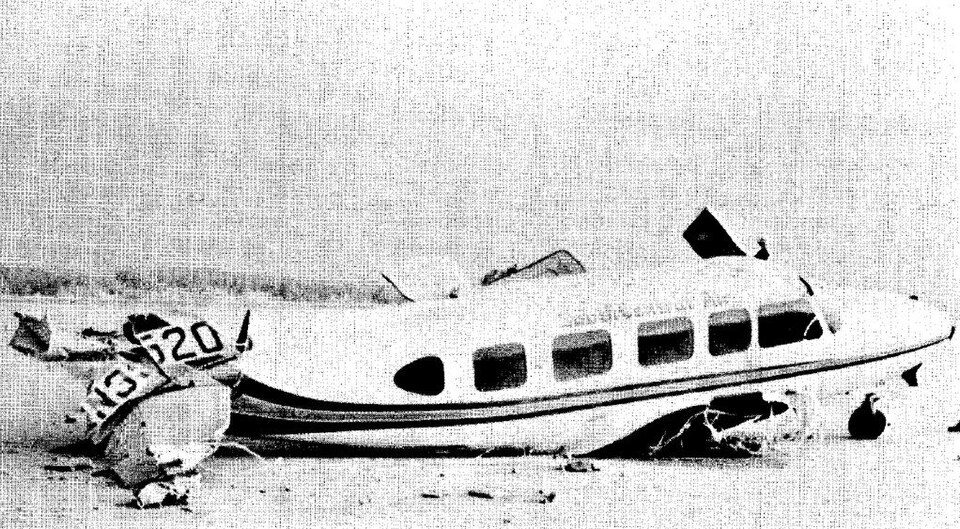
On a foggy day with visibility approximately 1/8 mile, a Piper PA-31, registration N35206, operating as South Central Air flight 59, was cleared to taxi to runway 06L. The crew taxied and waited in the holding area for visibility to improve, as RVR was improving and the airport was expected soon to be acceptable for takeoffs. Meanwhile, a Douglas DC-10, registration HL7339, operating as Korean Air Lines flight 084, was cleared to runway 32. However, while taxiing in the fog, the DC-10 crew inadvertently taxied to runway 06L/24R. Tower personnel were unable to see the aircraft in the fog and were unaware of the DC-10's position.
Sequence of Events
The DC-10 was cleared for takeoff on runway 32, and the PA-31 was cleared to hold on runway 06L. The DC-10 crew taxied onto runway 24R and began taking off toward the PA-31 with 2,400 feet of runway remaining. Its estimated takeoff distance was 8,150 feet. Subsequently, the DC-10 collided with the PA-31, continued off the runway, and hit stanchion lights, small trees, and rough terrain.
Investigation Findings
An investigation revealed that the DC-10 pilot did not confirm his position by using his compass and that there was a lack of legible taxiway and runway signs at several intersections passed by Flight 084 while it was taxiing.