What happened
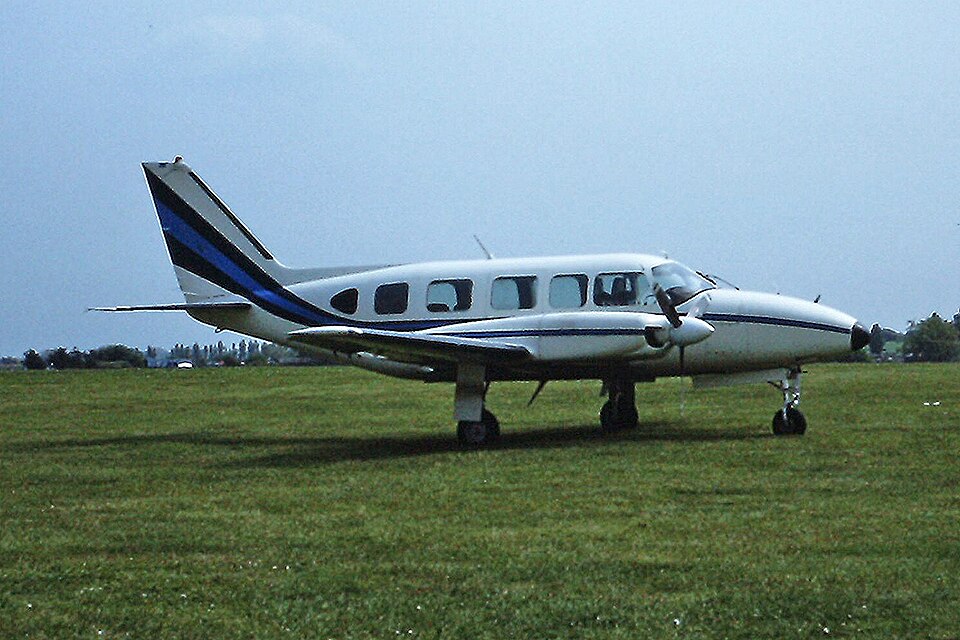
On the afternoon of 22 March 2001, a PA-31-350 Chieftain, operating under call sign Tulip 2B with registration PH-ABD, was attempting an instrument flight rules departure from Orléans-Saint Denis de l’Hôtel. The aircraft, performing a passenger charter service, was utilizing runway 23 for its takeoff toward Paris-Le Bourget.
During the takeoff roll, the co-pilot, acting as the pilot flying, encountered difficulties attempting to rotate the aircraft. This prompted an immediate aborted takeoff. However, due to the wet condition of the runway surface, the aircraft's braking systems were unable to decelerate the plane sufficiently before the end of the paved surface. Tire marks indicated that the aircraft had traveled approximately one hundred meters along the runway without successful deceleration.
Following the end of the runway, the aircraft entered a water-soaked grass area. The impact with the terrain caused the nose landing gear to collapse. The sequence ended when the aircraft came to a complete stop roughly one hundred and eighty meters beyond the runway threshold. There were no fatalities reported in this incident.
Findings
Investigations into the accident revealed that a flight control locking device had been left installed on the aircraft. The primary contributing factor was the crew's failure to remove the control lock during pre-flight procedures, which prevented the necessary movement of flight control surfaces required for rotation. Additionally, the lack of rigorous Crew Resource Management (CRM) protocols contributed to the oversight during the pre-flight checks.