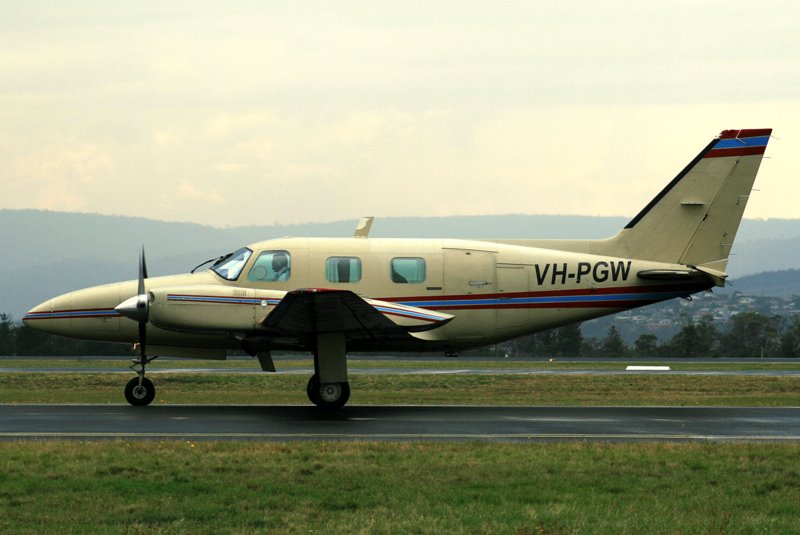
Accident Overview
On the day of the accident, a twin-engine aircraft operated by Skymaster Air Services was on an instrument flight rules (IFR) positioning flight from Bankstown Airport, New South Wales, to Archerfield Airport, Queensland. The flight was intended to prepare for a medical patient transfer from Archerfield to Albury, New South Wales. The aircraft carried a pilot and a flight nurse.
Flight Details
The aircraft departed Bankstown at 0740 Eastern Standard Time. At 0752, the pilot informed air traffic control (ATC) that he was turning around due to "a few problems." At approximately 0806, the aircraft collided with a powerline support pole located on the eastern side of the intersection of Sackville Street and Canley Vale Road, Canley Vale, New South Wales.
Collision and Aftermath
The impact destroyed the aircraft, and a post-impact fire ensued. The pilot and flight nurse sustained fatal injuries.
Contributing Safety Factors
The official investigation identified several contributing safety factors. While climbing to 9,000 feet, the right engine experienced a power problem, leading the pilot to shut it down. After the shutdown, the aircraft's descent profile was not optimized for single-engine flight. The pilot conducted a descent toward Bankstown Airport following a normal arrival profile without confirming adequate performance with one engine inoperative. The pilot's situation awareness was less than optimal, as indicated by the aircraft's flightpath and communications with ATC. The collision occurred with a powerline support pole about 6 km northwest of Bankstown Airport.
Other Safety Factors
The pilot did not broadcast a PAN following the engine shutdown and did not provide ATC with further details about the problem, preventing the controller from assessing the severity. Additionally, Section 4 of Civil Aviation Advisory Publication (CAAP) 5.23-2(0), concerning multi-engine aeroplane operations and training, lacked sufficient guidance for the flight standard in Appendix A subsection 1.2 related to engine failure in the cruise.
Key Findings
Given the pilot's extensive experience in the PA-31 aircraft type and subsequent endorsement training on a high-performance turboprop multi-engine aircraft, it was unlikely that deficiencies in that training contributed to the accident.