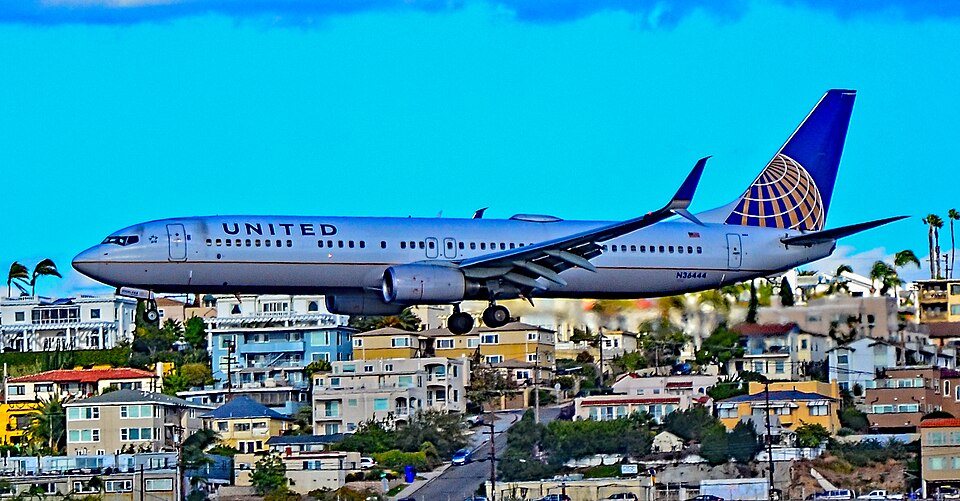
Landing and Preflight
At 0815 eastern daylight time, N36444 landed with light snow falling and the temperature above freezing. Snow continued after landing, and the temperature dropped below freezing. At about 1100, the pilot filed an IFR flight plan and asked a lineman to brush snow from the wings. The lineman noted that patches of ice remained on the left wing, but the pilot declined to deice the airplane. (At an airport 3 miles away, another flight was delayed due to ice that had formed below a snow cover on an aircraft that sat outside from 0945 to 1100.)
Accident Sequence
The surviving passenger stated that after takeoff, N36444 lost lift and yawed left. It appeared to recover, then vibrated, yawed, banked left, descended, and impacted the ground. After the accident, the engines were test run with no notable deficiencies.
Toxicology and Medical History
There was evidence the pilot was taking prescription medication. Tests of his blood showed 0.157 ug/ml of diazepam and 0.134 ug/ml of nordiazepam. Tests of his urine showed 0.152 ug/ml of nordiazepam and 0.167 ug/ml of oxazepam. On March 2, 1990, the pilot had surgery for a tumor of (or near) the left optic nerve. In his last FAA medical application, he denied that he had received medical treatment in the previous 5 years and did not report use of any medications. The aviation medical examiner had prescribed reserpine (for hypertension) and was aware of the surgery, but this was not reported in the pilot's FAA medical record.
Probable Cause
According to the official investigation, the probable cause of the accident was the pilot's failure to ensure that ice was properly removed from the airplane before flight, possibly due to impairment of judgment caused by a prescription drug (valium) that was not approved for use while flying. Factors related to the accident were: the pilot's failure to properly report his medical history on his FAA medical application, and failure of the designated medical examiner to report the pilot's known medical history.