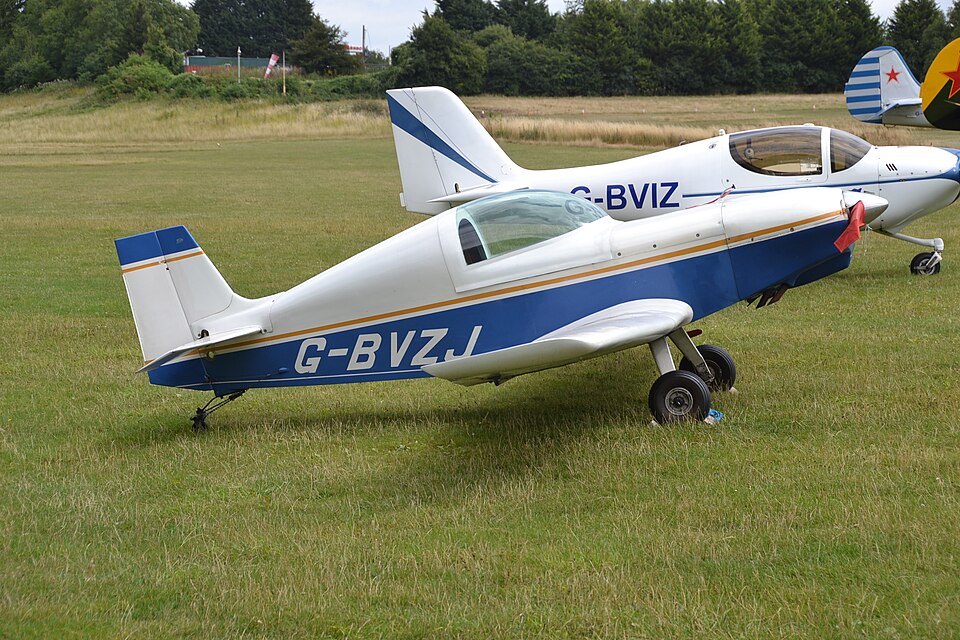
Aircraft and Flight Details
The aircraft was a Rand KR-2, registration G-BVZJ, equipped with one Revmaster piston engine and built in 1996. It was operated on a private flight by a 64-year-old pilot holding a Private Pilot's Licence, who had accumulated 190 total flying hours, with only one hour on type. The flight was part of a test schedule for a Permit to Fly after the pilot had built the aircraft.
Accident Sequence
On 15 July 1998 at 1615 UTC, the aircraft was on a short local flight. An approach was made to Runway 25 at Upham, Hampshire, a 30-metre wide private grass strip bordered on one side by a hedge and on the other by a crop of oilseed rape. The wind was described by the pilot as 250°/10 kt and gusty. During the late stages of the approach, the aircraft drifted to the left, and the wingtip became caught in the crop before the pilot was able to carry out a go-around.
Damage and Injuries
The aircraft slewed around, causing the engine and tail to break off. The engine, complete with firewall and bulkhead, separated from the front fuselage. The fuselage rear separated at the tail leading edge. Damage occurred to the landing gear, engine, fuselage, and both wings. The wings and cockpit came to rest 20 metres further on in the crop in an upright position. There was no fire. The pilot, who was wearing a full shoulder harness, was not injured.
Pilot Assessment
The pilot assessed the cause of the accident as his lack of experience on the type of aircraft and the narrowness of the strip.