Event Summary
A commercial pilot was conducting a personal flight. He later reported that he did not recall the events of the accident day. Witnesses observed the airplane exhibiting unusual behavior before it impacted terrain.
Witness Accounts
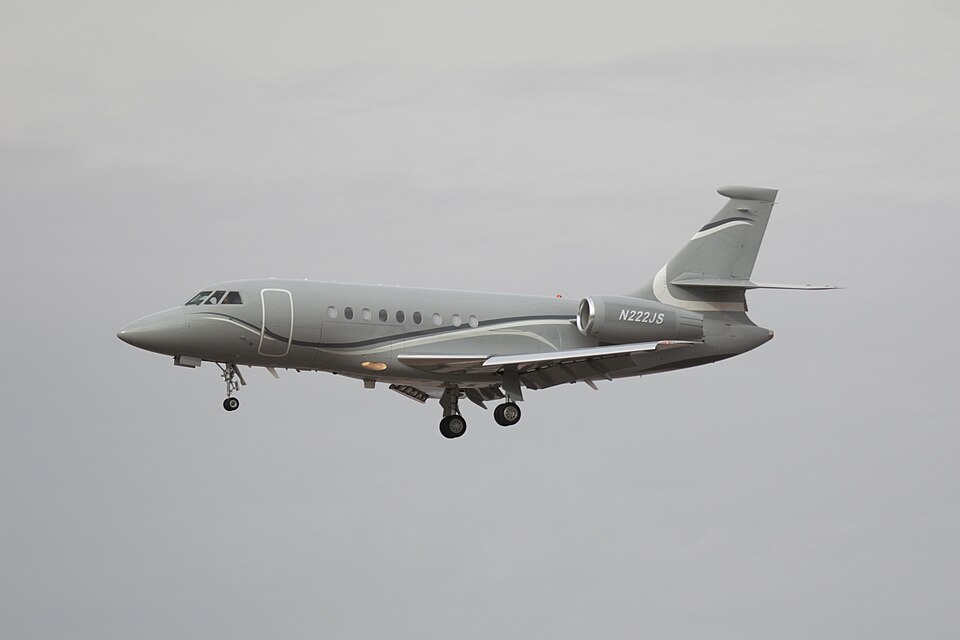
Three witnesses provided accounts. The first, a former pilot, reported seeing the airplane fly over his house and noted that the engines sounded as if they were "out of sync." The second witness, living approximately 5 miles from the airport, observed the airplane flying unusually low and described the engines as sounding terrible, with "popping and banging." The third witness, who was holding short of the runway awaiting takeoff, saw the airplane approach the runway at about 75 feet above ground level (agl). It then descended to about 50 ft agl, climbed back to 75 ft agl, made a hard right turn, and subsequently impacted terrain.
Postaccident Examination
A postaccident examination of both engines revealed no evidence of a mechanical failure or malfunction that would have precluded normal operation. However, witnesses' descriptions indicated what appeared to be an engine problem. It is likely that one or both engines were experiencing some kind of problem, leading to the pilot's loss of airplane control.
The pilot reported in a written statement several months after the accident that, when he moved the left rudder pedal back and forth multiple times after the accident, the torque tubes and rudder did not move, and he found several rivets sheared from the left pedal. He believed the rudder had failed. However, postaccident examination of the fractured rivets showed deformation patterns consistent with overstress shearing that occurred during the accident sequence. No preimpact anomalies with the rudder were found.
Probable Cause
The probable cause, as stated in the official findings, is: The pilot's failure to maintain airplane control following an engine problem for reasons that could not be determined because postaccident examination of both engines and the rudder revealed no malfunctions or anomalies that would have precluded normal operation.