2 fatalities

2003-03-27: Rockwell Grand Commander 690 (N53LG) — Haulers Insurance Company — Homerville, United States of America

Homerville, United States of AmericaFlight

On March 27, 2003, a Rockwell Grand Commander 690 (registration N53LG) operated by Haulers Insurance Company was involved in an aviation accident near Homerville, United States of America in flight. 2 people were killed. Investigators recorded the probable cause as: An in-flight encounter with unforecasted severe turbulence in cruise flight resulting in the design limits of the airplane being exceeded due to an overload failure of the airframe, and collision with a swampy area. This summary draws on records from the Bureau of Aircraft Accidents Archives (B3A).

Sourcesthe Bureau of Aircraft Accidents Archives (B3A)Primary reportUpdated 1781201200Data APIEditorial standards
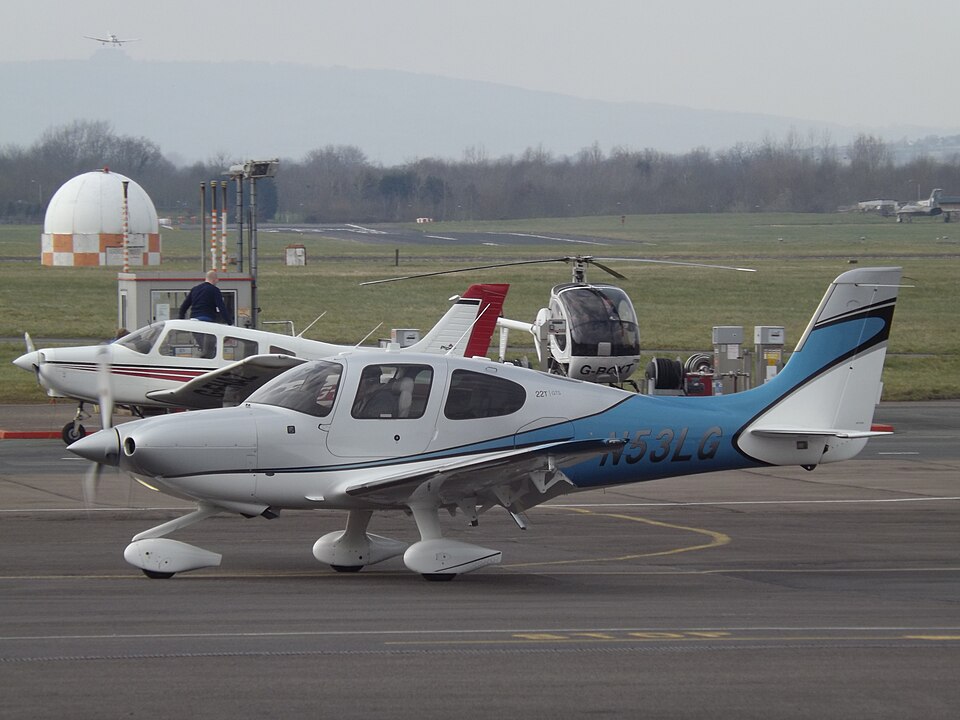
Aircraft registered N53LG
Aircraft registered N53LG. Photo: James from Cheltenham, Gloucestershire / CC BY-SA 2.0, via Wikimedia Commons

A flight encountered unforecasted severe turbulence at 27,000 feet; the pilot issued a mayday, and the aircraft accelerated and descended rapidly before disappearing from radar, later found in a swampy area. Examination revealed overload failures beyond design limits.

Accident Summary

During cruise flight at 27,000 feet, the airplane encountered unforecasted severe turbulence. The pilot transmitted a "mayday" call on the airplane radio to Jacksonville Center. Within seconds, the airplane accelerated from 175 knots to over 300 knots ground speed and descended from 27,000 feet to 16,500 feet. The aircraft then disappeared from radar coverage.

Wreckage Location

Sheriff Department personnel located the airplane 15 miles north of Homerville, Georgia, in a swampy area.

Examination Findings

Recovered airframe components were submitted to the NTSB Materials laboratory for examination. The examinations determined that all failures were due to overload. Further examination of the airframe indicated that the airframe design limits were exceeded.

Weather Briefing

The pilot did not obtain a weather briefing before the flight departed.

Probable Cause

The probable cause, as stated in the official findings, is an in-flight encounter with unforecasted severe turbulence in cruise flight resulting in the design limits of the airplane being exceeded due to an overload failure of the airframe, and collision with a swampy area.