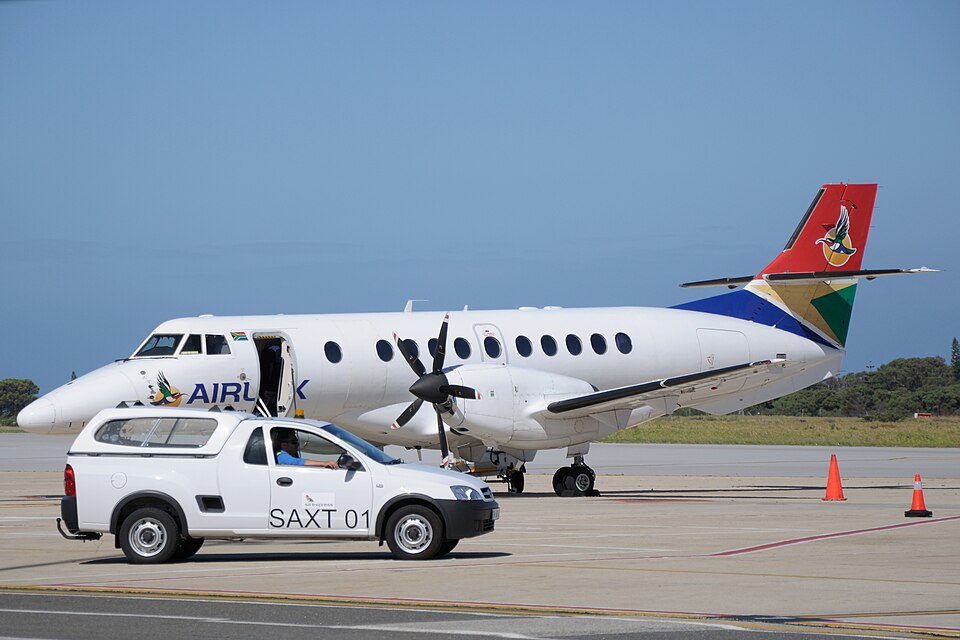
Aircraft and Flight Details
On 23 July 2000 at 1245Z, a Jetstream 41, registration ZS-NRH, departed from George Airport on a domestic scheduled flight to Cape Town International Airport. The pilot-in-command held an Airline Transport Licence with 8000 total flying hours, including 4000 hours on type. The weather was fine with a temperature of approximately +16°C.
Sequence of Events
Normal power and pre-take-off checks were completed, and the aircraft departed from Runway 11. After take-off at approximately 700 ft agl, the left-hand engine torque started decreasing from a set power of 78%. The pilot-in-command advanced the power levers of both engines to attain climb power. The right-hand engine torque increased normally to 100%, but the left-hand engine torque increased slightly and then decreased to approximately 20%. The pilot-in-command feathered and shut down the left-hand engine and landed back safely on runway 11 at George Airport. The aircraft was taxied back and parked at the apron when all four main wheels started deflating completely due to the wheel overheat protection system, as full wheel brakes had to be used without engine thrust reverse application.
Injuries and Damage
There were no injuries among the 1 pilot, 2 cabin crew, and 20 passengers on board. No aircraft damage was reported.