Incident Overview
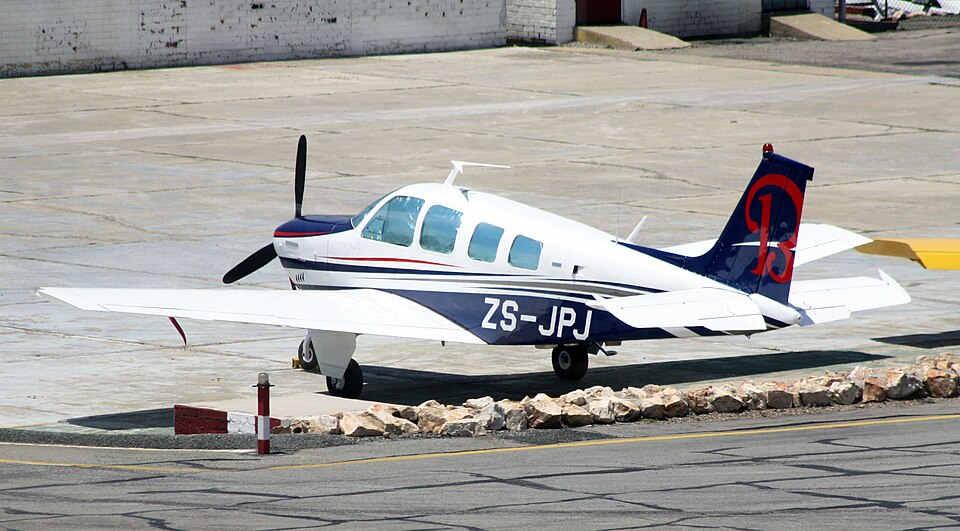
On 2 September 2002 at 0730Z, a Beech A36 (registration ZS-JPJ) operating a private flight from George (FAGG) to New Tempe (FATP) experienced an engine malfunction shortly after takeoff. The pilot, the sole occupant, was cleared for takeoff from Runway 29 with a left-hand turn out to flight level 070.
Sequence of Events
Climbing through FL040, the pilot noted a slight fluctuation in RPM. Attempting to adjust it, the situation deteriorated rapidly, and the pilot elected to return to George. The engine RPM then started fluctuating violently, with the pilot adjusting manifold pressure and rpm to obtain maximum effectiveness while over a built-up area.
Cleared by ATC for landing on Runway 29, the pilot throttled back and initiated a glide approach at 90 miles per hour. While positioned on a left downwind, a loud bang emanated from the engine, and smoke appeared from underneath the engine cowling. The aircraft was side-slipped to keep the aerodrome visual. The smoke did not last long, and the pilot continued with a normal approach. The landing gear was extended, as the pilot was worried about a possible landing gear failure. He shortened the downwind and base leg to compensate for the higher sink rate, then applied flaps and started a steep descent. On rollout, he retracted the flaps and did not apply brakes, using momentum to clear the runway. The aircraft was then towed away.
Weather and Conditions
Weather at the time was fine: wind 250° at 3-6 knots, visibility greater than 10 km, temperature +11°C.
Injuries and Damage
There were no injuries or fatalities. No aircraft damage was reported.
Probable Cause
The pilot experienced a loss in engine power due to detonation followed by an engine seizure (oil being burnt and dumped overboard through the hole in the damaged piston dome, which also explains the black smoke reported by the pilot).