Synopsis
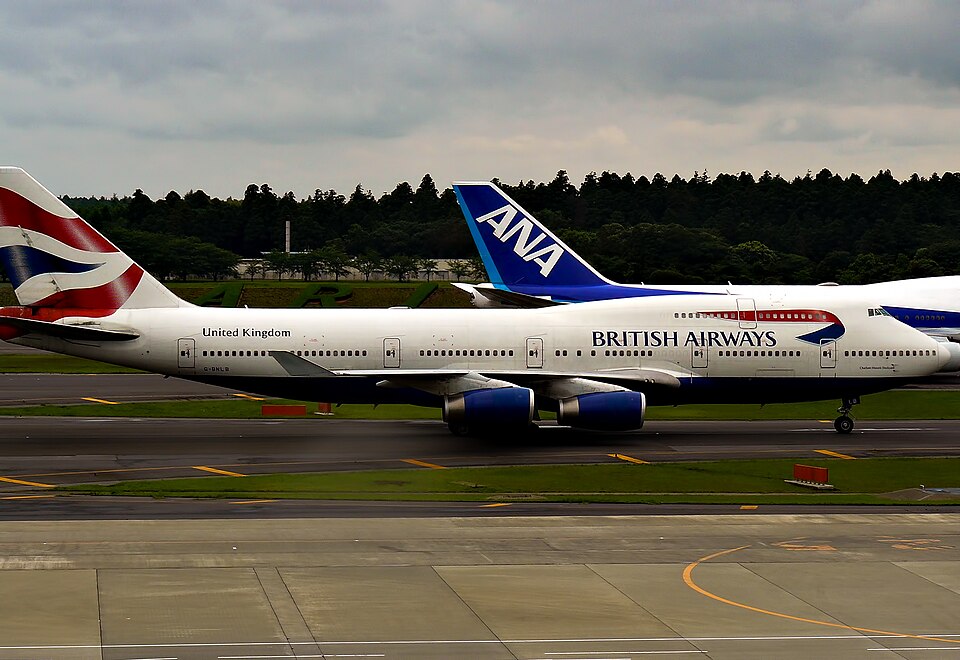
On 24 July 2006, a Boeing 747-400 registered as G-BNLB, operating as flight BAW58L from Cape Town International Airport (FACT) to London Heathrow International Airport (EGLL), initiated its take-off roll on Runway 01. During the roll, the cockpit crew heard a loud bang from the left side of the aircraft. Air Traffic Control immediately informed the crew that flames were observed emanating from engine number one. The crew aborted the take-off at an indicated airspeed of 100 knots, approximately 1000 meters from the runway threshold where the take-off began, and brought the aircraft to a stop on the runway.
Event Details
After the abort, fire services inspected the engine, main landing gear, and all brake assemblies. The aircraft then taxied back to the parking bay, where the crew and passengers disembarked normally. There were no injuries during the incident.
Investigation Findings
The incident aircraft had previously experienced a compressor stall on its initial flight from London Heathrow to Cape Town. All four engine parameters were normal, and the crew continued the flight without further issues. Upon arrival at Cape Town, South African Airways technicians conducted a boroscope inspection of engine number one. They noted slight damage to a stator blade in the compressor module, which was deemed within acceptable limits. The engine underwent a ground test that performed satisfactorily, and the aircraft was released for service.
The investigation determined that the engine surge during the take-off was attributable to increased compressor blade tip clearances throughout the High Pressure (HP) Compressor module. These clearances had increased by 0.02 to 0.04 inches, which could manifest as an engine surge or stall during take-off.