What happened
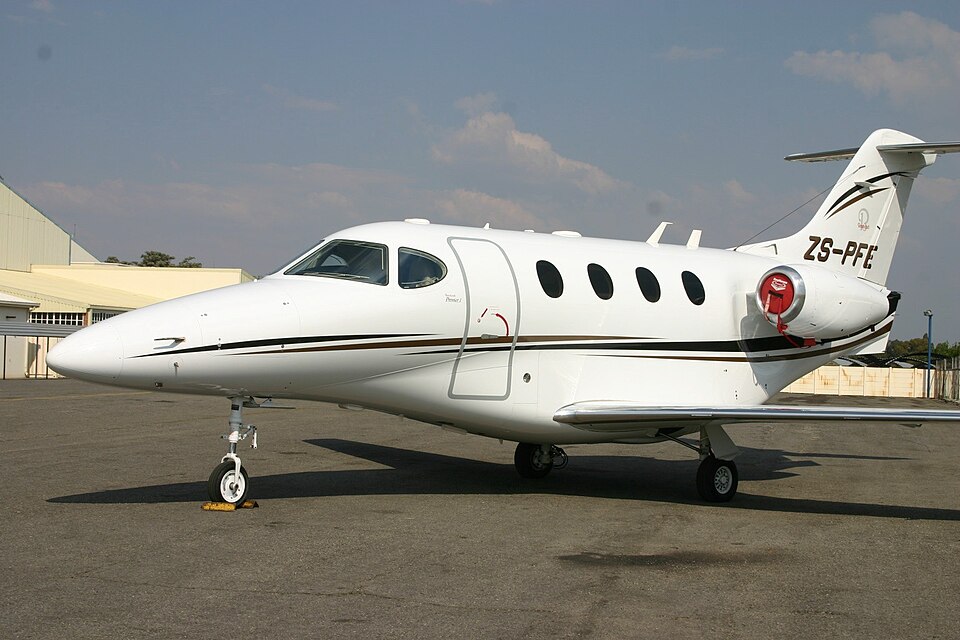
On 15 December 2007, a Raytheon 390 (Premier 1), registration ZS-PFE, was operating a scheduled charter flight from George Aerodrome to Lanseria Aerodrome. The flight was carrying a crew of two and five passengers under clear weather conditions.
While descending through 10,000 feet AMSL, the occupants heard a loud thud, and the baggage door warning light immediately illuminated in the cockpit. Despite the incident, the pilot completed an unevent and landing at Lanseria. Upon arrival, a post-flight inspection revealed that the baggage door located beneath the left engine had completely separated from the aircraft during flight.
The investigation
SACAA AIID investigators examined the aircraft for damage and assessed the operational circumstances. The investigation confirmed that the separation of the door caused secondary damage to the airframe, including a dented left engine nacelle intake, a cracked starter generator vent, and small dents on the fuselage above the door area. Additionally, a lower cowling door on the left engine was found to be missing.
Testing conducted during the inquiry revealed a critical limitation in the aircraft's warning system: the baggage door warning light only activates when the door is fully open. If certain latches are not properly secured, the light fails to illuminate, potentially leaving the pilot unaware of an unsecured door.
Findings
- The primary cause of the incident was that the left aft baggage door was not properly latched and secured prior to takeoff.
- The aircraft was being operated by a holder of a valid Part 135 operating certificate and was maintained according to regulatory requirements.
- The pilot held a valid commercial license with the appropriate type rating.
- The weather during the flight was fine, with no cloud cover and light winds.
- The baggage door warning system does not provide adequate notification if the door is partially unlatched.