Paraglider Crash in Puente Alto Injures Pilot and Passenger
A SkyWalk Join't 3 paraglider crashed into the ground near Las Vizcachas, Chile, on September 1, 2024. The pilot and passenger sustained serious spinal…
On May 16, 2010, a Jabiru J430 (registration ZU-MEG) was involved in an aviation accident near Approximately 150 m into the overshoot area at Kitty Hawk Aerodrome (FAKT), ZA. No fatalities were reported. Investigators recorded the probable cause as: The pilot landed too far down runway 01, which sloped downwards towards its end. The slope increased the rolling speed of the aircraft, preventing the brakes from bringing the aircraft to a stop in time. This summary draws on records from the South African Civil Aviation Authority (SACAA) Accident and Incident Investigations Division.
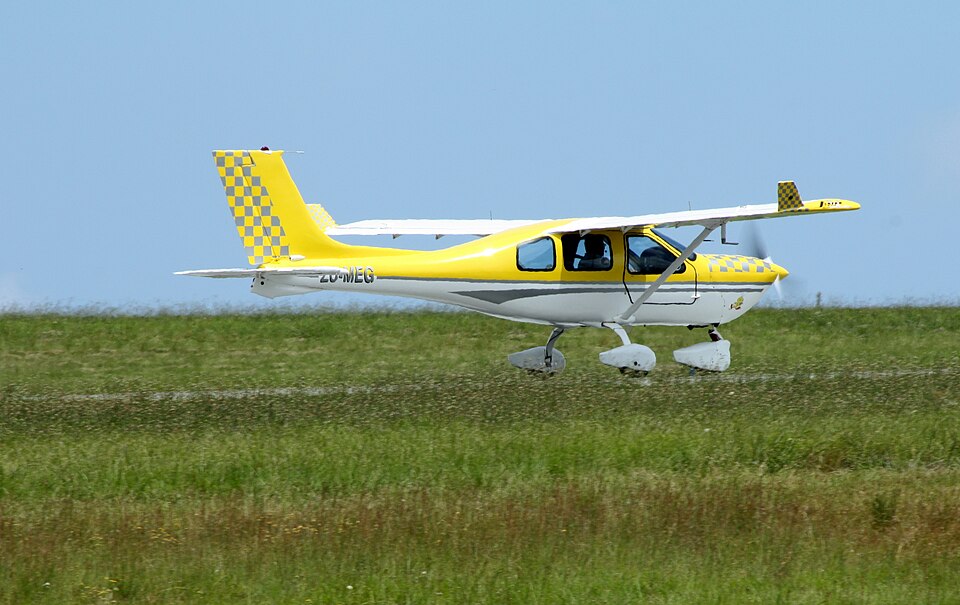
A Jabiru J430 (ZU-MEG) overran runway 01 at Kitty Hawk Aerodrome on 16 May 2010 after an updraft caused a late touchdown. The aircraft stopped 150 m into the overshoot area with substantial damage but no injuries.
The pilot landed too far down runway 01, which sloped downwards towards its end. The slope increased the rolling speed of the aircraft, preventing the brakes from bringing the aircraft to a stop in time. Contributory cause: the pilot did not select full flaps prior to landing.
A Jabiru J430 (ZU-MEG) overran runway 01 at Kitty Hawk Aerodrome on 16 May 2010 after an updraft caused a late touchdown. The aircraft stopped 150 m into the overshoot area with substantial damage but no injuries.
No fatalities were recorded in this accident.
The accident on 16 May 2010 involved a Jabiru J430, registration ZU-MEG, at Approximately 150 m into the overshoot area at Kitty Hawk Aerodrome (FAKT), ZA.
The pilot landed too far down runway 01, which sloped downwards towards its end. The slope increased the rolling speed of the aircraft, preventing the brakes from bringing the aircraft to a stop in time. Contributory cause: the pilot did not select full flaps prior to landing.
A SkyWalk Join't 3 paraglider crashed into the ground near Las Vizcachas, Chile, on September 1, 2024. The pilot and passenger sustained serious spinal…
A Cessna 172N struck electrical cables while on final approach to land at Aucó Aerodrome in Chile. The pilot was uninjured, but the aircraft sustained damage…
A Bombardier DHC-8-402 suffered a tail strike during landing at Puerto Williams on September 9, 2024. All 76 occupants were unharmed, but the aircraft…
A MYD JS-MD 3 glider veered off the runway and struck a wall at Vitacura Aerodrome on January 6, 2025. The pilot was uninjured, but the aircraft sustained…
A recreational paraglider flight in Puchuncaví, Chile, ended with the pilot sustaining serious injuries after a rapid descent and impact with a hillside on…
A Tecnam P2006T landed on its belly at an aerodrome in Poland after the crew failed to confirm landing gear deployment. The incident resulted in no injuries…