What Happened
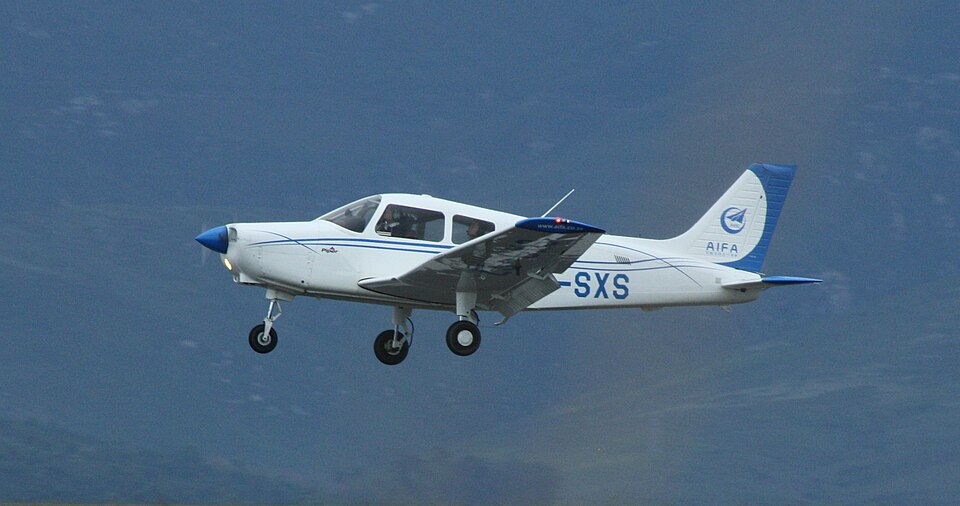
On 11 August 2022, at 2031Z, an instructor and a student pilot were performing night circuit training in a Piper PA-28-161 Warrior II, registration ZS-SXS, at Beaufort West Aerodrome (FABW) in the Western Cape province. The flight was conducted under Part 141 of the Civil Aviation Regulations (CAR) 2011. Visual meteorological conditions prevailed.
During the first touch-and-go, the instructor observed a small antelope on the runway centreline during the take-off roll. She immediately took over control, and the nose landing gear struck the antelope. The instructor rotated for another circuit, reported the occurrence to air traffic control, and conducted two neutral circuits to allow runway inspection. During the final approach, she reduced speed to approximately 60 knots, slower than the recommended 70 knots indicated in the Pilot's Operating Handbook, to allow the control officer to inspect the landing gear. The officer confirmed all three gears appeared intact.
The instructor then switched off the engine to avoid propeller damage on landing. The aircraft touched down on the main wheels first; after the nose wheel touched down, it collapsed. The aircraft veered left and came to a stop on the left side of Runway 08. The nose landing gear oleo, torque link, and bottom engine cowling were damaged. Both occupants were not injured.
Findings
The investigation noted that the instructor held a valid Commercial Pilot Licence and Class 1 medical certificate. The aircraft's weight and balance were within limits. Both occupants used safety harnesses that functioned properly. The aircraft had a valid Certificate of Airworthiness and had undergone its last mandatory periodic inspection on 30 March 2022. The antelope entered the aerodrome through holes in the perimeter fence created by porcupines and tortoises; the fence was inspected weekly but new holes appeared between inspections.
Probable Cause and Contributing Factor
The probable cause was stated as: "The aircraft collided with an antelope during take-off, which led to the collapse of the nose landing gear during the landing roll; hence, the subsequent damage to the nose landing gear oleo, torque link and bottom engine cowling." A contributing factor was that the boundary fence was not strong and high enough to prevent animal access.
Safety Action and Message
The operator is investigating the installation of infrared cameras to spot animal activity at night. The report advises Approved Training Organisations to ensure nighttime training is conducted at aerodromes with properly secured fencing to prevent unauthorised animal access.
Note
This report is produced without prejudice and is intended for safety promotion, not to apportion blame.