Synopsis
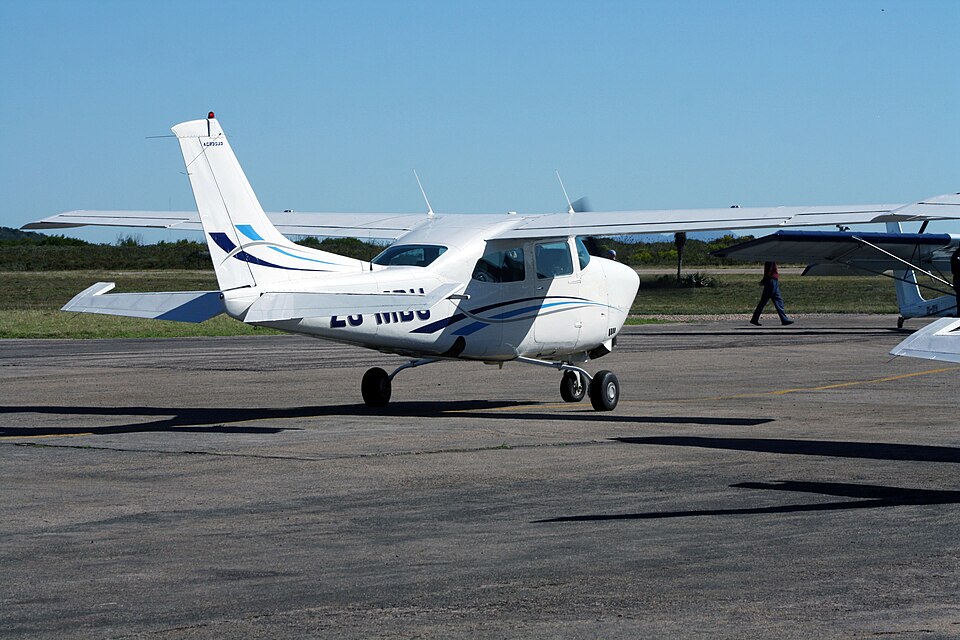
On 23 July 2018 at 1257Z, a Cessna T210M (registration ZS-MBU) operating a training flight under Part 141 from Wonderboom Aerodrome (FAWB) experienced a failure of the nose gear to extend during approach. The aircraft landed with the main landing gear extended and the nose gear retracted, resulting in substantial damage. No injuries were reported among the two occupants.
Flight History
The flight departed FAWB with an instructor and a student for a conversion-to-type training flight. During downwind checks, the instructor observed that the nose gear was not extended. He performed three low approaches for the tower to visually confirm the landing gear position; the tower reported the main gear extended but the nose gear retracted. The instructor attempted emergency gear extension with the hand pump but could not lower the nose gear. He declared a Pan Pan Pan emergency and landed on Runway 29. The aircraft had flown 24.2 hours since its last mandatory periodic inspection (MPI) completed on 12 December 2017.
Previous Maintenance
The aircraft had suffered a fuel starvation incident on 15 August 2017, which damaged the nose gear fork and doors. During subsequent repairs by aircraft maintenance organization (AMO) number 1148, it was discovered that the damaged nose gear doors were non-manufacturer-approved and made of fiberglass. They were replaced with manufacturer-approved doors. The MPI was completed on 12 December 2017.
Investigation
Investigation revealed that the nose gear system failed to extend because the nose gear door check valve likely had a blockage. This prevented hydraulic fluid flow to the nose gear door actuator, so the required 400 psi to open the doors could not be reached. Without the doors opening, the priority valve did not open, and the nose gear remained retracted. The emergency hand pump system also failed because it relies on the same check valve to build pressure. Tests of the landing gear system without the doors installed showed no anomalies. The hydraulic fluid level was sufficient, and the hydraulic pump was operational (main gear extended normally). No mechanical failures or incorrect rigging were found; however, tests were conducted without doors.
Probable Cause
Blockage in the nose gear door check valve prevented hydraulic pressure from reaching 400 psi, preventing the nose gear doors from opening and the nose gear from extending.