Incident Overview
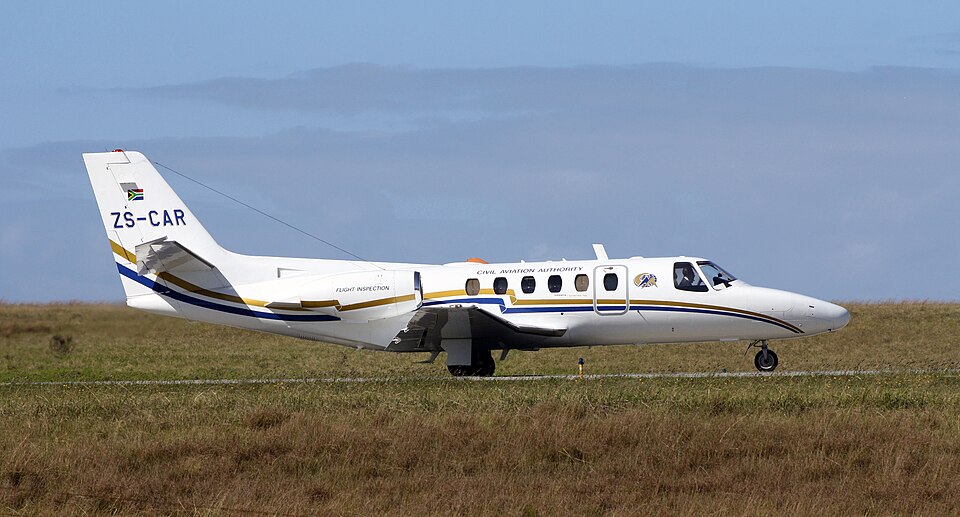
On the morning of 8 November 2019, a Cessna 550 aircraft registered ZS-CAR was preparing for a flight calibration mission from Lanseria International Airport (FALA) to Polokwane International Airport (FAPP). During the take-off roll on Runway 07, the crew detected an oil smell and smoke entering the cockpit, which reduced forward visibility. The crew immediately aborted the take-off by applying maximum brakes. After stopping on the runway, the aircraft was taxied back to the hangar, where both engines were shut down. Following shutdown, the right main tyre deflated, and minutes later the left main tyre also deflated due to melted temperature fuse plugs.
Background Events
The previous day, on 7 November 2019, the same aircraft had diverted to Lanseria after experiencing a similar issue with oil smell and smoke. Maintenance personnel added oil to the number 1 engine, which had shown no visible oil on the dipstick, and conducted a ground run before returning the aircraft to service. On 8 November, despite the maintenance action, the problem recurred during the take-off roll.
Investigation Findings
The investigation determined that the smoke and oil smell originated from a failure of the number 3 bearing labyrinth seal on engine number 1. This failure allowed oil to leak into the high-pressure compressor (HPC), where it mixed with compressed and heated air, producing the odour and smoke in the cockpit. The report also identified contributory factors: the aircraft maintenance organisation (AMO) and operator did not monitor oil consumption on the number 1 engine; the aircraft maintenance engineer misdiagnosed the defect by not following manufacturer recommended practices; and both the operator and AMO failed to comply with standard recommended practices and civil aviation regulations.
Conclusion
No injuries were sustained by the crew, other than minor discomfort from smoke inhalation and eye irritation. The aircraft was not damaged. The serious incident was attributed to the failure of the number 3 bearing labyrinth seal on engine number 1.