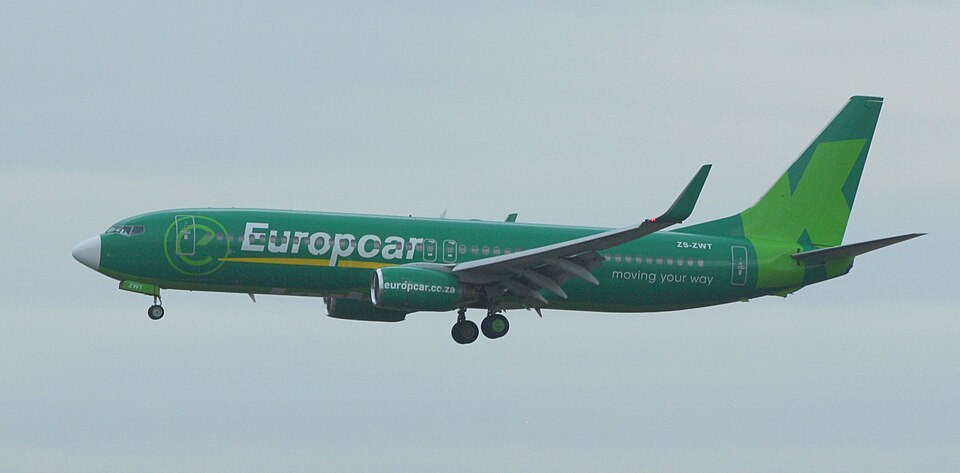
Cabin Pressurization Failure Forces Boeing 737 Return to Johannesburg

Casualties unknown • Near the STV VOR in Standerton, ZA

A commercial Boeing 737-800 was forced to perform an emergency air turn-back to O.R. Tambo International after a mechanical failure led to a loss of cabin pressure.

What happened

On 16 December 2019, a Boeing 737-800, registration ZS-ZWT, departed O.R. Tambo International Aerodrome (FAOR) for a scheduled flight to King Shaka International Aerodrome (FALE). The aircraft was carrying 183 passengers and six crew members. During the initial climb, while flying near the STV VOR in the Standerton area of Mpumal/umba province, the flight crew received a cabin altitude warning indicating that the cabin was failing to maintain the necessary pressure.

In response to the warning, the pilots attempted to troubleshoot the issue using the Quick Reference Handbook (QRH). The flight path recorded the aircraft climbing to FL150 before descending back to FL100. After a subsequent climb to FL130, the crew was unable to stabilize the pressure and declared an emergency by broadcasting a PAN-PAN signal. The pilots then requested an air turn-back to Johannesburg. The aircraft landed safely on Runway 21R at FAOR, and all passengers and crew disembarked without injury or damage to the airframe.

The investigation

An investigation by the SACAA AIID examined the mechanical state of the aircraft and the crew's response to the depressurization. Investigators looked into the functionality of the air conditioning and pressurization systems, specifically the engine-driven components. The inquiry also reviewed maintenance records, noting that while the aircraft was airworthy and flying under permitted limitations, certain pre-existing malfunctions in the pressurization system had been previously identified but remained unaddressed.

Findings

  • The primary cause of the pressurization failure was a failure of the air cycle machine, which significantly reduced the air inflow from the number 2 engine's air conditioning pack.
  • This loss of inflow was compounded by high fuselage leakage occurring at the forward entry door hinges.
  • The investigation found that the crew's technical knowledge and execution of emergency checklists were adequate.
  • A lack of available spare parts had prevented the rectification of previously identified faults in the air conditioning system prior to the flight.

Safety action

  • The investigation issued a safety message emphasizing that the operator and maintenance organization must ensure sufficient serviceable spares are available to support operations. It was noted that the aircraft had been operating with known defects under MEL limitations due to the unavailability of necessary components.

Probable cause

The failure of the air cycle machine caused insufficient air inflow from the number 2 engine's air conditioning pack, making it impossible to maintain required cabin pressure, a situation worsened by air leakage through the forward entry door hinges.

All Boeing 737-800 accidents →

Frequently asked questions

What happened in the 2019-12-16 Boeing 737-800 accident near Near the STV VOR in Standerton, ZA?

A commercial Boeing 737-800 was forced to perform an emergency air turn-back to O.R. Tambo International after a mechanical failure led to a loss of cabin pressure.

What aircraft was involved and where did it happen?

The accident on 2019-12-16 involved a Boeing 737-800, registration ZS-ZWT, at Near the STV VOR in Standerton, ZA.

What was the probable cause of the accident?

The failure of the air cycle machine caused insufficient air inflow from the number 2 engine's air conditioning pack, making it impossible to maintain required cabin pressure, a situation worsened by air leakage through the forward entry door hinges.

Loading the flight search…