Ultralight Crash in Chonburi Kills Pilot Due to Wing Fabric Failure
An X-AIR HAWK ultralight crashed in Chonburi, Thailand, killing the pilot and injuring a passenger. The accident was caused by deteriorated wing fabric and…
On August 2, 2025, a Boeing 737-800 (registration ZS-ZWO) was involved in an aviation accident near En route from O.R. Tambo International Aerodrome to Abeid Amani Karume International Aerodrome, ZA. Investigators recorded the probable cause as: Abrupt loss of cabin pressure during flight due to simultaneous failure of the aircraft’s bleed air system triggered by a rupture in the sense lines of engine Number 1. This summary draws on records from the South African Civil Aviation Authority (SACAA) Accident and Incident Investigations Division; 2 related events involving the same aircraft type or operator are linked below.
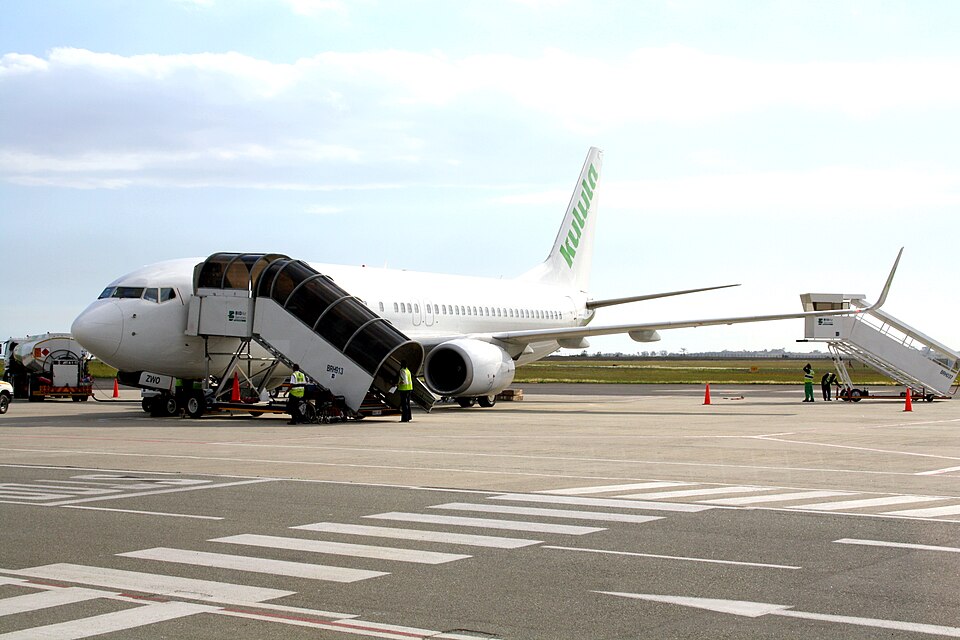
On 2 August 2025, a FlySafair Boeing 737-800 (ZS-ZWO) experienced a rapid cabin depressurization at 30,675 ft while en route from Johannesburg to Zanzibar. The crew executed an emergency descent and returned to the departure airport. No injuries or damage were reported.
Abrupt loss of cabin pressure during flight due to simultaneous failure of the aircraft’s bleed air system triggered by a rupture in the sense lines of engine Number 1. This compromised its bleed air output, compounded by a Bleed Trip Off condition on engine Number 2 which further disrupted the pressurisation system.
An X-AIR HAWK ultralight crashed in Chonburi, Thailand, killing the pilot and injuring a passenger. The accident was caused by deteriorated wing fabric and…
A Challenger II Special ultralight aircraft (U-B23) landed off-runway at Pai Airport, Mae Hong Son, on September 17, 2024, due to a gust of wind. No injuries…
The Polish aviation safety authority is investigating a serious incident involving an AT-3R100 aircraft that occurred on September 2, 2024. The investigation…
A SZD-48-3 glider suffered damage when its left wing struck a ground obstacle during a low final approach at EPWK on June 20, 2025. The pilot was uninjured.
A 39-year-old skydiver died after a hard landing near Leszno on May 1, 2026. The PKBWL preliminary report indicates the fatal impact resulted from a late,…
A student pilot crashed an SZD-50-3 Puchacz glider into the airfield fence during a solo training flight on June 6, 2026. The pilot was uninjured, but the…