Accident Overview
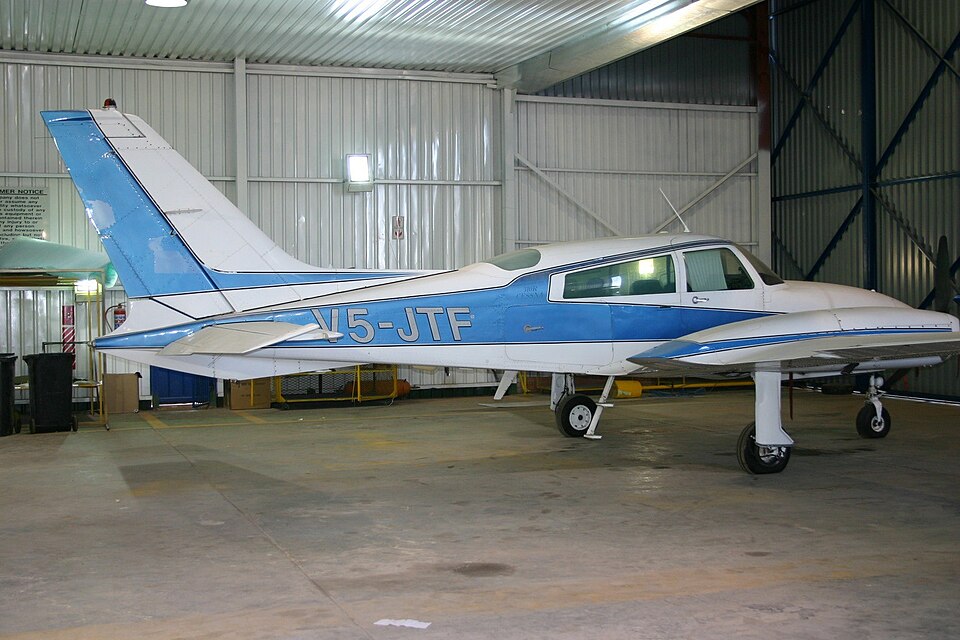
On 31 July 2002, a Cessna 310 (registration V5-JTF) departed Virginia Aerodrome on a domestic charter flight with a single pilot on board. The intended destination was Pilanesberg. After take-off, the landing gear failed to retract. The pilot attempted to extend the undercarriage using both the normal and emergency systems, but the unsafe warning light remained illuminated.
Diversion to Lanseria
Following several unsuccessful attempts to clear the warning light, the pilot decided to divert to Lanseria Airport. During a fly-past, air traffic control advised that the right-hand main landing gear was not fully extended. The pilot then chose to retract the undercarriage and performed a belly landing on Runway 06R.
Damage and Injuries
The aircraft sustained damage to its undersurface, and both propellers struck the ground. The pilot was not injured. There were no other occupants on board.
Meteorological and Operational Details
The weather at the time was fine with a temperature of +16°C. The pilot held a valid commercial licence and had a total of 694.20 flying hours, including 12.9 hours on type. The operation was a domestic charter flight.
Probable Cause
The accident was attributed to the migration of the right-hand aft upper attachment pin of the main undercarriage trunnion from its secured position. This occurred after the slotted securing pin had corroded and broken away.