Synopsis
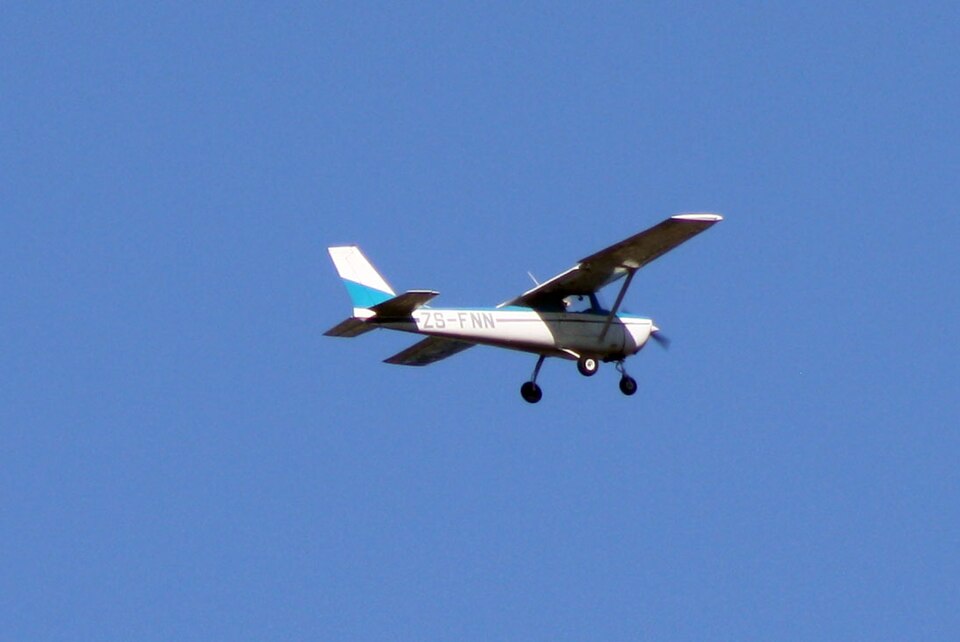
On 9 March 2005, a Cessna 150J (ZS-FNN) departed Virginia Aerodrome at 0800Z on a training flight with an instructor and a student pilot. They climbed to 2500 feet AMSL in the general flying area to practice a simulated forced landing.
Sequence of Events
Carburetor heat was applied and power reduced to idle to simulate an engine failure. During the descent, the instructor applied carburetor heat every approximately 700 feet. At about 300 feet AGL, they initiated a go-around from their selected field. Approximately 5–10 seconds after applying full power, the engine began to run rough and lost power to the extent that level flight could not be maintained. The crew then decided to execute a forced landing. According to the pilot's statement, the carburetor heat was off when full power was applied.
A dirt farm road was identified for the landing. During the landing roll, the aircraft entered a ditch, causing it to bounce. The aircraft impacted the ground in a nose-down attitude, bending the nose wheel assembly sideways and causing the aircraft to nose over, coming to rest in a tail-high, semi-inverted attitude. Both occupants disembarked uninjured.
The last Mandatory Periodic Inspection (MPI) before the accident was certified on 25 February 2005 at 10696.4 airframe hours, and an additional 28.0 hours were flown since then.