What happened
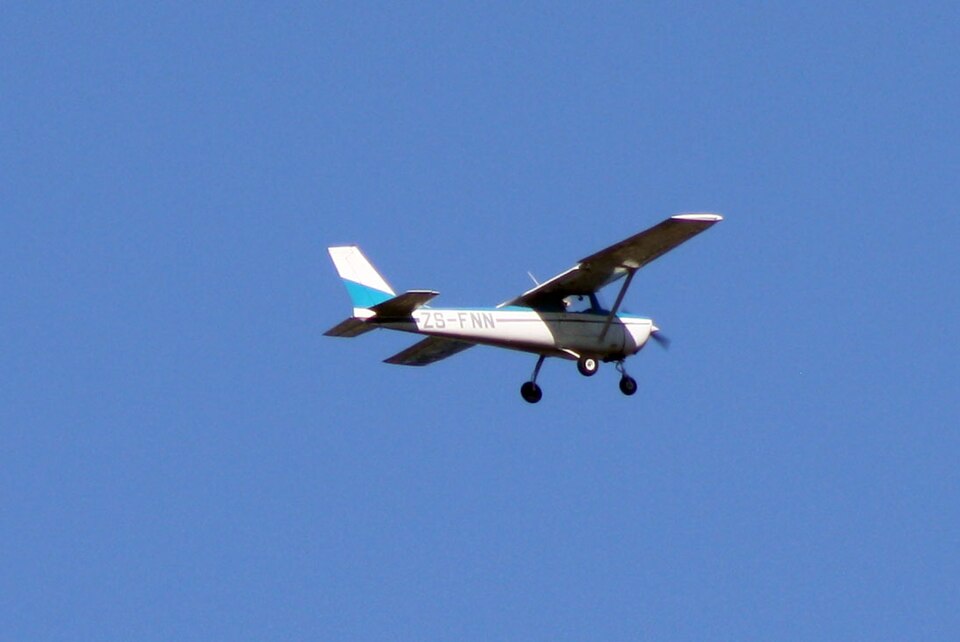
On 22 February 2008, a Cessna 150J, registration ZS-FNN, was involved in a landing accident at Virginia Aerodrome (FAVG). The aircraft was being operated for training purposes by a student pilot performing solo circuits and landings. Following several successful maneuvers, the pilot attempted a landing on runway 05. During the landing sequence, the aircraft bounced, leading to the structural failure of the nose gear. The aircraft remained on the runway following the collapse. There were no injuries reported, though the aircraft sustained damage to its propeller and nose section.
The investigation
Investigators examined the flight sequence and the pilot's technique during the approach. The pilot reported that the aircraft was traveling at speeds between 65 and 70 mph with 30° flaps configured. The investigation looked into the mechanics of the touchdown, noting that the main wheels made contact before the nose section was lowered. The inquiry also reviewed the maintenance history of the aircraft, noting that a mandatory periodic inspection had been completed in November 2007. Additionally, the regulatory standing of the Approved Training Organization (ATO) was reviewed, though findings from previous audits and surveillance inspections were determined to be unrelated to the event.
Findings
- The primary cause of the accident was a hard landing resulting from the use of an incorrect landing technique by the pilot.
- It is possible the pilot performed a premature flare, which caused the aircraft to stall and impact the runway heavily on all three wheels.
- Alternatively, the aircraft may have been traveling at an excessive speed, causing a bounce that subsequently placed undue stress on the nose gear.
- The structural failure of the nose gear was the direct result of the impact forces during the landing sequence.