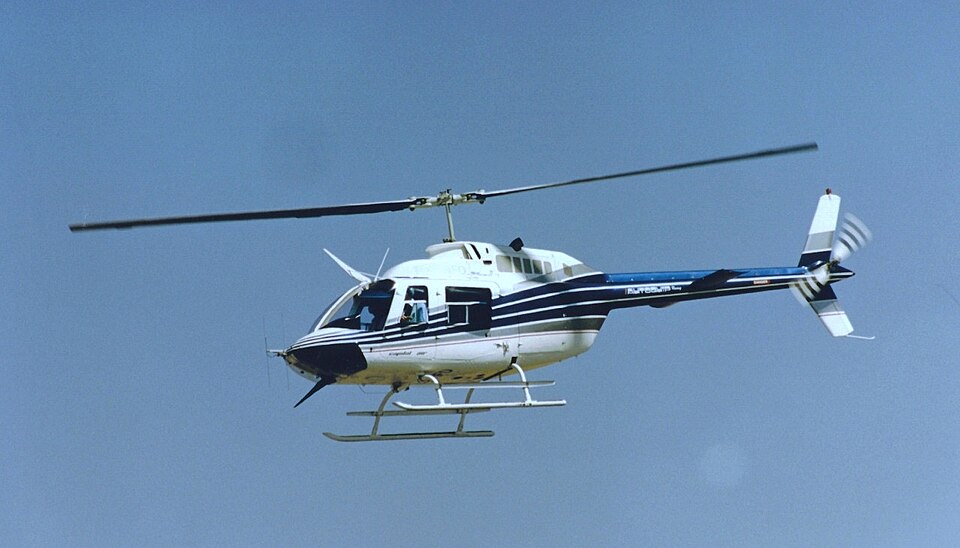
What happened
On 9 October 2008, a Bell 206B helicopter, registration ZS-HFD, was conducting a rhino-darting operation at the Lapalala Wilderness game farm in the Limpopo Province. The flight crew and passengers included a commercial pilot, an observer, a veterinarian, and a professional game darter. The helicopter doors had been removed for the mission.
After a period of searching, the pilot located a rhino and positioned the aircraft at an altitude of approximately 15 to 20 meters above the ground. To prepare for the shot, the darter moved toward the edge of the cabin, placing his weight on the right-hand flight step of the skid gear. During this maneuver, the darter fell from the aircraft. The pilot performed an immediate emergency landing near the site, where the veterinarian attempted resuscitation, but the darter succumbed to his injuries.
The investigation
An investigation by the SACAA AIID examined the aircraft, the seatbelt mechanisms, and the operational procedures. Investigators found that the helicopter was well-maintained with a valid certificate of airworthiness and no mechanical failures were present. The weather conditions were favorable, with good visibility and light winds.
Crucially, the investigation focused on the passenger's restraint. While the pilot had performed a security check and asked passengers to confirm they were secure, the darter's seatbelt was found unlatched and lying neatly on the seat after the accident. Testing revealed that the physical movement required to aim a dart gun could potentially cause a passenger to inadvertently unlatch a belt, though in this specific instance, the belt appeared to have been left unfastened entirely. Furthermore, the darter had chosen not to use a "monkey chain"—a secondary safety harness—on this flight, despite having one available.
Findings
- The darter fell from the aircraft while attempting to stabilize himself for the operation.
- The unsecured seatbelt was the primary factor, as the darter did not appear to have fastened himself into the aircraft's provided restraint.
- The darter was not using a secondary safety harness (monkey chain) during the flight.
- The pilot's visibility of the rear cabin was limited by the aircraft's center console, preventing a visual confirmation of the passenger's belt.
- The darter's extensive experience in the field may have contributed to a degree of complacency regarding safety protocols.