What happened
On 16 April 2016, a flight instructor and a student pilot departed from George Aerodrome for a training session in the general flying area west of Mossel Bay. The purpose of the flight was to practice simulated forced landings. The crew had been performing these maneuvers from an altitude of 3,000 feet above mean sea level, selecting appropriate fields and maintaining a 73-knot glide speed.
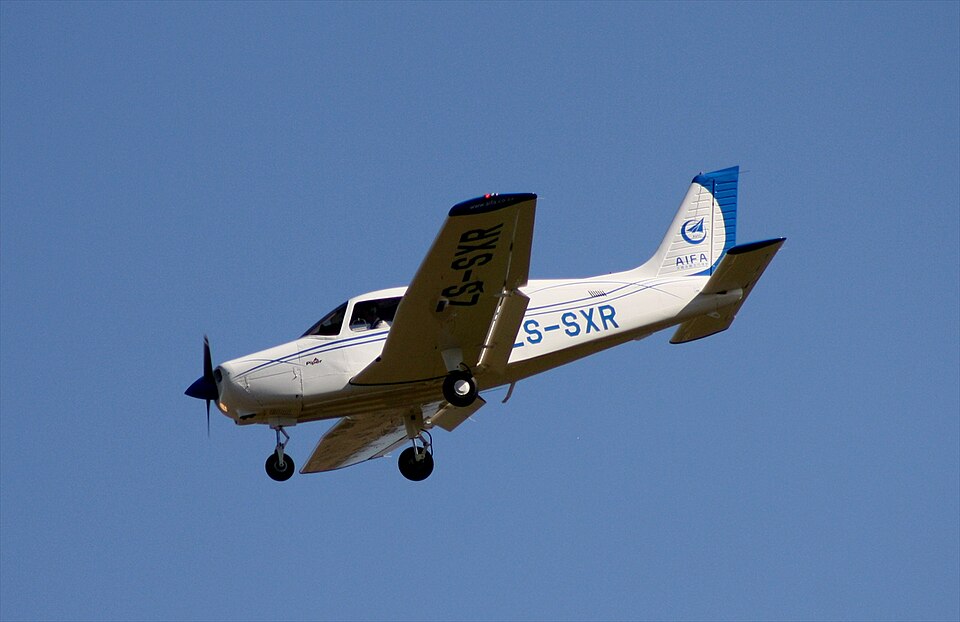
During the third attempt of the session, the aircraft was at approximately 500 feet above ground level. In an effort to evaluate the student's approach, the instructor applied go-around power with the flaps retracted and the carb heat off. However, the Piper PA-28-161 failed to climb, and the stall warning began to sound. Despite the instructor taking control, lowering the nose, and deploying one notch of flaps to regain airspeed, the aircraft could not recover. The crew was forced to perform an emergency landing in an open field, where the left wing struck a wooden wire fence post, causing significant structural damage to the wing and superficial scratches to the propeller.
The investigation
SACAA AIID examined the aircraft and the circumstances surrounding the flight. The investigation confirmed that the aircraft, registration ZS-SXR, was airworthy and had undergone a mandatory periodic inspection less than two weeks prior to the incident. Post-accident inspections and engine ground runs performed by a maintenance organization showed the engine and systems were operating within specifications. The investigation also noted that the weather conditions—characterized by clear visibility and light winds—played no role in the occurrence. Both the instructor and the student were part of a validly certified training organization.
Findings
- The flight instructor held a valid commercial pilot license and a grade III flight instructor rating.
- The aircraft was fully compliant with airworthiness requirements.
- The engine and mechanical components were found to be in satisfactory working order.
- The primary cause of the accident was that the instructor allowed the airspeed to decay below the aircraft's stall speed limitations during the simulated maneuver, making a recovery to normal flight impossible.