1 fatality

Cargo Flight Crashes Short of Runway at La Crosse Airport (N725R)

La Crosse, United States of AmericaLanding (descent or approach)

On April 14, 1972, a Short SC.7 Skyvan Variant (registration N725R) operated by Viking International Air Freight was involved in an aviation accident near La Crosse, United States of America during landing or approach. One person was killed. Investigators recorded the probable cause as: Uncontrolled descent on final approach caused by the failure of the wing flap control system. The following factors were reported: - Overload failure, - Asymmetrical flaps due to control rod compression overload. This summary draws on records from the Bureau of Aircraft Accidents Archives (B3A).

Sourcesthe Bureau of Aircraft Accidents Archives (B3A)Primary reportUpdated 2026-06-12Data APIEditorial standards
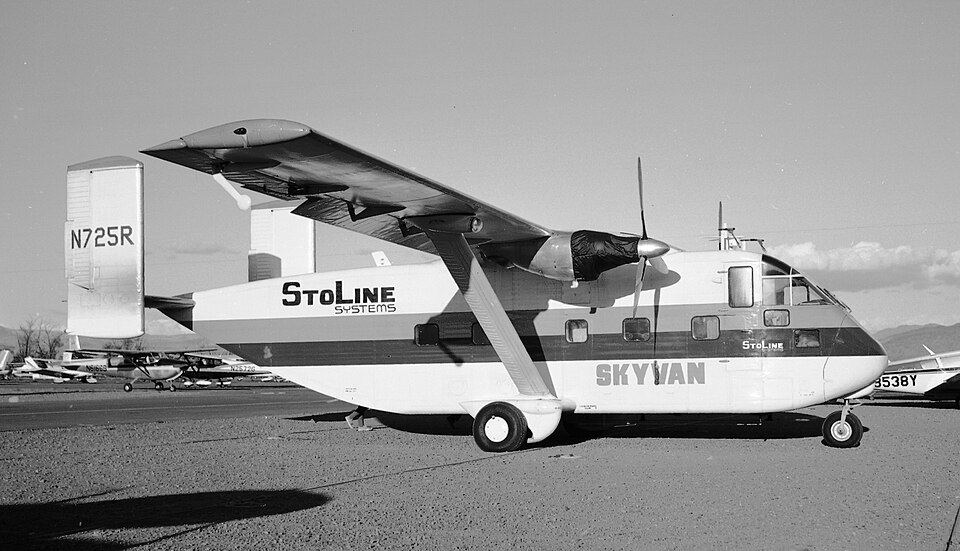
Aircraft registered N725R
Aircraft registered N725R. Photo: Bill Larkins / CC BY-SA 2.0, via Wikimedia Commons

A cargo flight from Chicago crashed on final approach to La Crosse Airport at night, killing the pilot. The aircraft was destroyed in the impact short of the runway threshold.

Incident

On a cargo flight from Chicago, the aircraft was on final approach to La Crosse Airport during night conditions. While approaching the runway, the pilot lost control of the airplane, which nosed down and impacted the ground a few dozen yards short of the runway threshold. The aircraft was destroyed in the crash, and the pilot was killed.

Investigation

Investigators determined that the accident resulted from an uncontrolled descent on final approach. The probable cause was identified as a failure of the wing flap control system. Specific contributing factors included an overload failure and asymmetrical flaps due to compression overload of the control rod.

Probable Cause

The official finding states: "Uncontrolled descent on final approach caused by the failure of the wing flap control system. The following factors were reported: - Overload failure, - Asymmetrical flaps due to control rod compression overload."