Introduction
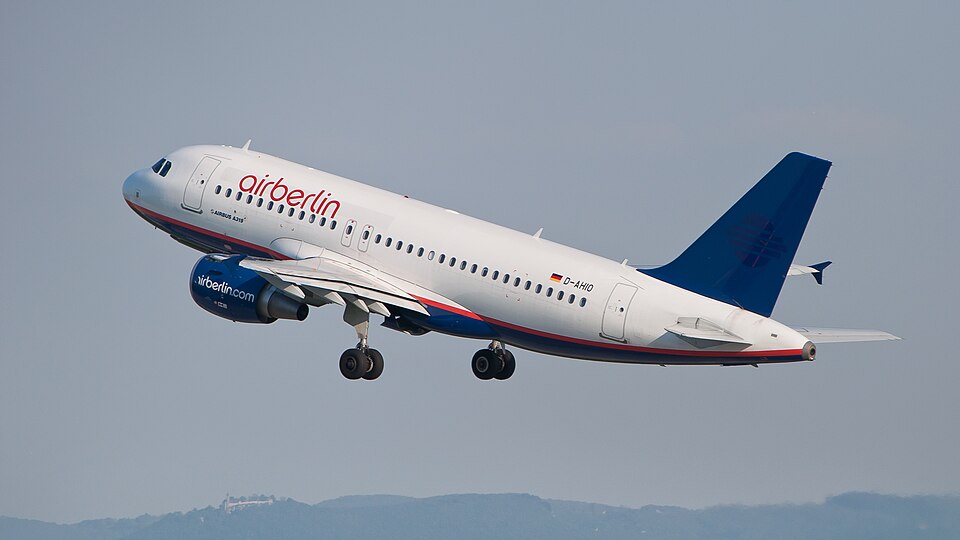
A serious incident involving two commercial aircraft occurred on 6 June 2010 at 19:46 UTC, approximately 22 nautical miles east of Zurich Airport. The incident involved an Airbus A319-112, registered D-AHIO and operated by Hamburg International (flight HHI2479), and an AVRO 146-RJ100, registered HB-IXX and operated by Swiss International Air Lines (flight SWR818). The event was classified as an Airprox of ICAO Category A, indicating a high collision risk.
Sequence of Events
SWR818 had departed from Zurich Airport's runway 32 and was climbing to flight level (FL) 120 en route to the DEGES waypoint. Simultaneously, HHI2479 was descending towards its destination airport, Friedrichshafen. The crew of HHI2479 received and acknowledged a clearance to descend to FL130. However, the aircraft subsequently descended below this assigned flight level.
An alarm from the air traffic control warning system prompted the Zurich departure controller to instruct the HHI2479 crew to immediately climb back to FL130. At the closest point, the two aircraft were separated by 1.4 NM horizontally and 200 ft vertically—well below the required minimum separation of 5 NM or 1000 ft.
Aircraft and Crew Information
Both aircraft were operated under Instrument Flight Rules (IFR). HHI2479 was a charter flight from Palma de Mallorca to Friedrichshafen, while SWR818 was a scheduled flight from Zurich to Hannover. The incident occurred in Class C airspace under the jurisdiction of the Zurich approach and departure control unit.
Meteorological Conditions
The weather at the time of the incident was reported as generally cloudy with good visibility. Specific meteorological details were documented in the investigation but did not play a direct role in the loss of separation.
Cause
The investigation by the Swiss Bureau of Aircraft Accident Investigation (BFU) determined that the cause of the serious incident was the uncontrolled descent below the assigned flight level by the crew of HHI2479. Contributing to this was the crew's non-standard cockpit communication and inadequate monitoring of flight instruments.